Honoring Indigenous Stewardship, From Sierra Leone to the Kitchen Table
At Feeding Mouths Filling Minds, we don't just talk about sustainable solutions—we build them alongside the communities who’ve been sustaining their ecosystems for generations.
On this International Day of the World’s Indigenous Peoples, we’re reflecting on the 2024 global theme—protecting the rights of Indigenous Peoples in voluntary isolation and initial contact—with a deeply personal lens.
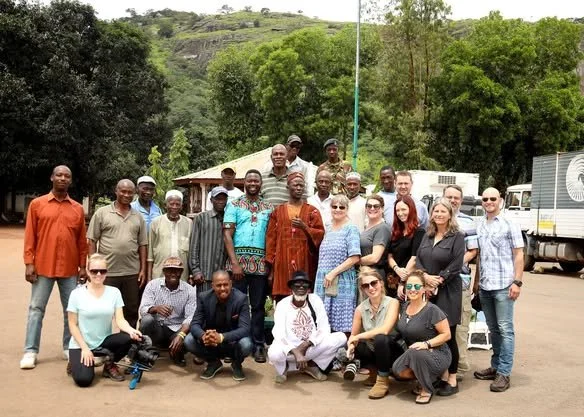
One of the collaborations closest to our hearts is @Koinadugu College in Sierra Leone, a community-led initiative that shares our core belief: real impact isn’t about quick wins—it’s about building systems that last. We didn’t come in with the answers. Local leaders told us what they needed. We listened, partnered, and helped resource what has now become a thriving institution. That’s the power of local knowledge—and the stickiness of community-led solutions.
We’re also proud of the work of FMFM's own @Derek Nicholas, whose recently published book, Through Food We Know Ourselves, challenges us to honor the language, foodways, and land stewardship traditions of the Indigenous communities he represents. His leadership reminds us: food is never just food. It’s culture. It’s identity. It’s resistance.
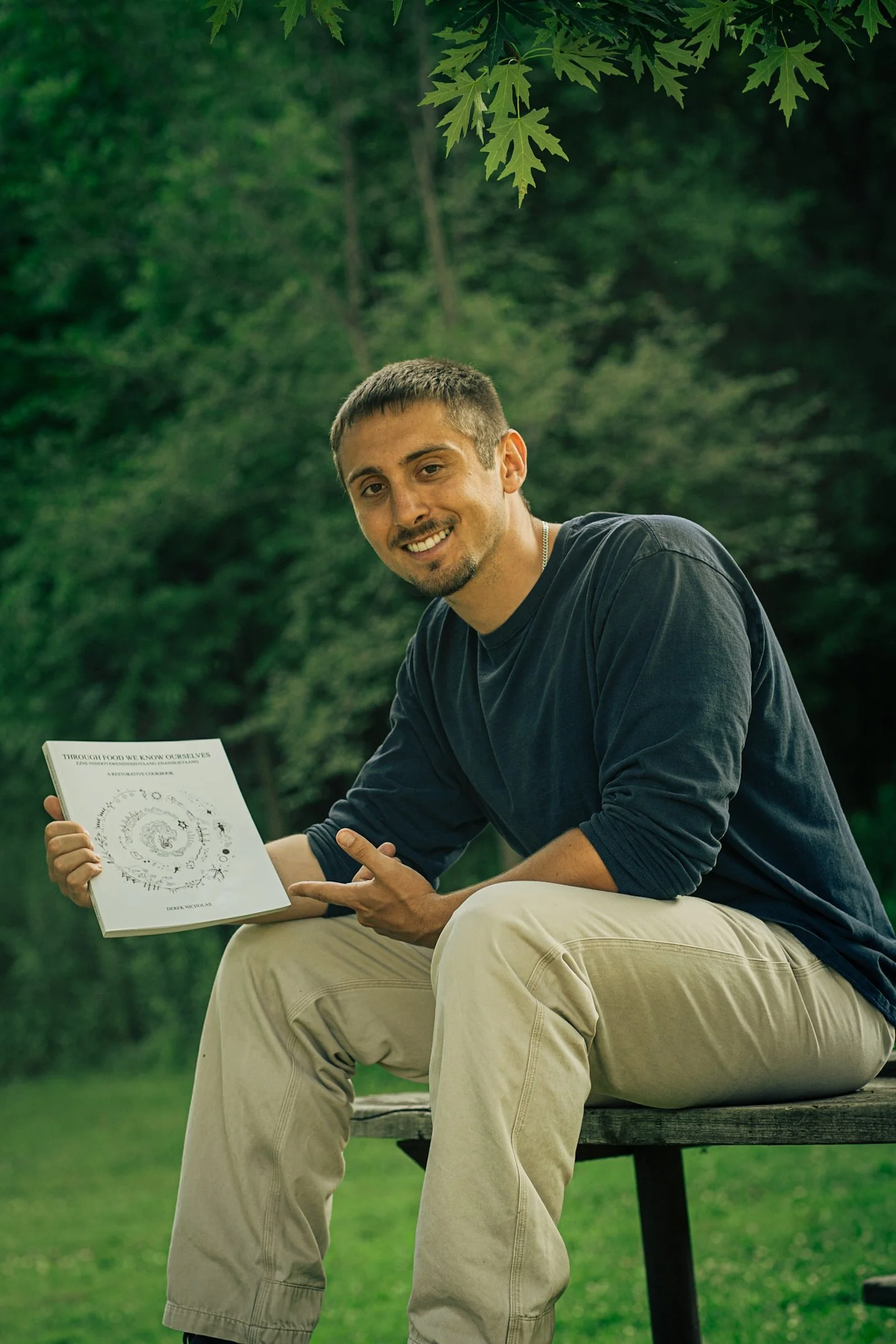
Through Food We Know Ourselves by Derek Nicholas is a restorative cookbook and cultural journey rooted in Anishinaabeg traditions, bringing together recipes, teachings, and Indigenous knowledge to explore how food connects to identity, community, and relationship to land. Inspired by legends, oral histories, and wild plant knowledge, it invites readers to learn through cooking while supporting cultural healing and reconnection. Learn more: https://hillandlakepress.org/derek-nicholas
Today, and every day, we recommit to protecting the rights, agency, and ancestral wisdom of Indigenous communities. Their knowledge leads. We follow.
We stand in solidarity with Indigenous communities and with those working to uphold their dignity, health, and agency.
When meal becomes a turning point
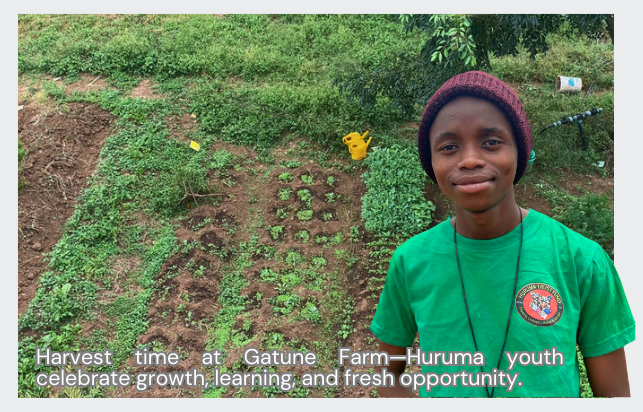
When FMFM partners with a community, we assess long-term trends to better understand how nutrition shapes children’s futures. In Kenya, by 2014, an estimated 1.8 million children were stunted and 767,927 were underweight (UN WFP, 2019) African Union Commission, United Nations Economic Commission for Africa, United Nations World Food Programme, and United Nations Children’s Fund (UNICEF).
That same year, 12.9 million working-age adults had experienced stunting as children, contributing to an economic loss estimated at 6.9% of the country’s GDP. These figures highlight how childhood hunger limits both individual and national potential.
FMFM has been partnering with schools to respond to these challenges with community-led, nutrition-focused interventions. At one of our early partner schools, something simple has made a measurable difference: lunch. Once students knew they would receive a meal, attendance improved, and classroom engagement followed. They no longer had to choose between hunger and learning.
Hunger doesn’t just affect the body. It affects the classroom, the future, and the community.
At Feeding Mouths Filling Minds, we’ve seen firsthand how the absence of dependable meals impacts students’ ability to attend school, concentrate, and grow. The problem isn’t only what’s missing from the plate; it’s what’s missing from the learning experience.
The impact goes beyond the school day. Hunger-related setbacks affect a child’s long-term ability to earn, a family’s economic mobility, and a community’s stability. Investing in food access means investing in education, opportunity, and future leadership.
Our projects are shaped and sustained by local leaders, those who know their community best. From managing school gardens to planning harvest cycles, their work is rooted in context and designed for long-term impact.
Food systems are not a handout. It is a launchpad for learning, a foundation for growth, and a tool for transformation.
One Meal,Many Ripples
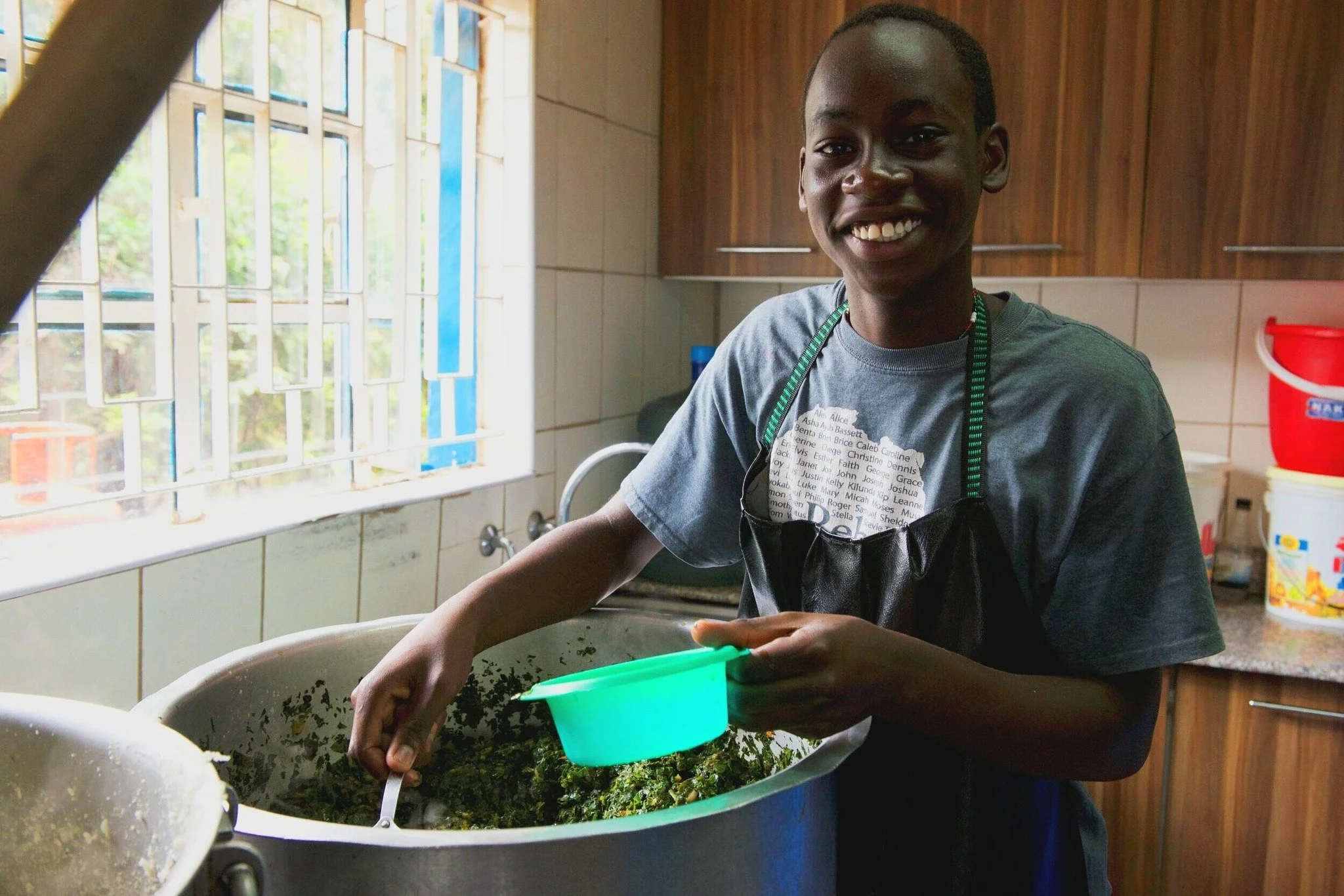
At Feeding Mouths Filling Minds, we work in close partnership with in-country leaders across Africa to support school-based nutrition programs that reinforce learning and encourage student participation. According to the World Food Programme, school meals can increase enrollment by up to 9% and improve attendance by as much as 20% in low-income settings (WFP, 2013).
We’ve seen these outcomes firsthand. In Rwanda and Liberia, several of our partner schools have engaged local parents in maintaining school gardens. These gardens help provide meals during the school year, support long-term nutritional stability, and create opportunities for seasonal income.
When a student receives a consistent, nutritious meal at school, the benefits reach well beyond the classroom.
When children have access to food at school, families often experience reduced financial strain, allowing them to focus household resources on education, small business efforts, and broader community engagement. In this way, school meals serve as a foundation for educational and economic growth.
That’s why we prioritize locally led, sustainable feeding efforts. Nourishing one student can strengthen a household and, over time, help grow a more resilient community.
What possibilities could grow from one reliable school meal?
Years of Impact: What We’ve Learned Through Local Partnership
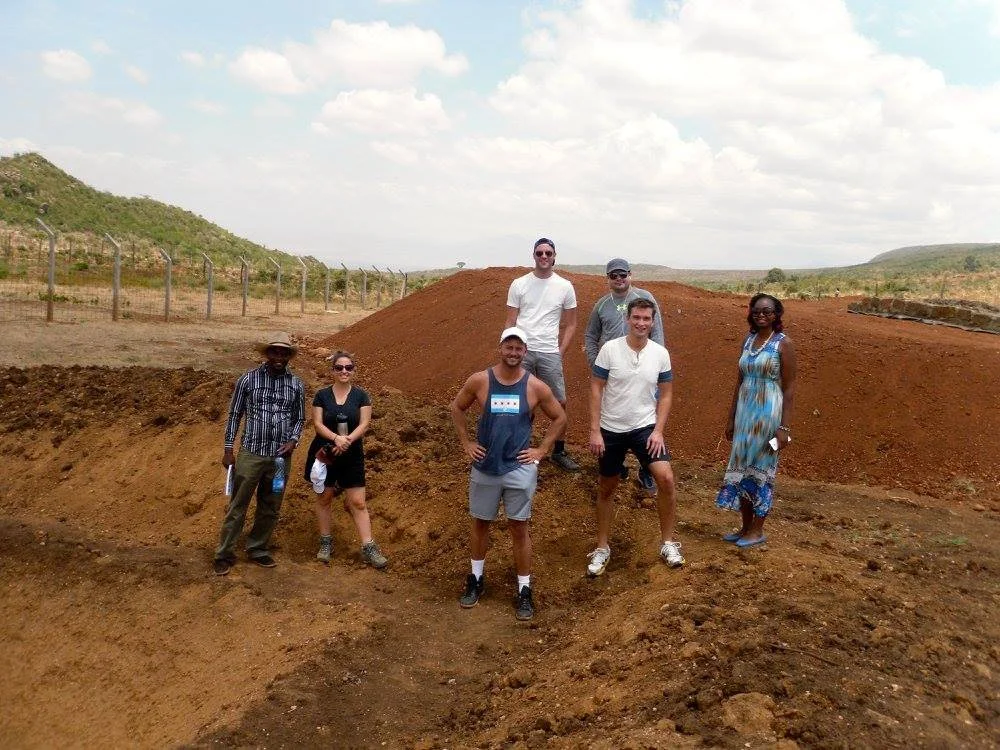
Over the past several years, Feeding Mouths Filling Minds has worked alongside community leaders across rural Africa to strengthen access to nutrition in schools. One key insight continues to guide our work: long-term food access is closely tied to education, dignity, and leadership rooted in the community.
When we talk about food security, we’re not just talking about calories. We’re talking about whether a child can show up to school with the energy to learn, to laugh, to just be a kid. It’s also about whether students can stay in school, whether families can shift their focus toward the future, and whether communities have the tools they need to build lasting solutions from the ground up.
We have supported school meal programs that reduce absenteeism, collaborated with local leaders to transform unused land into productive school gardens, and seen how agricultural education in classrooms has reshaped how students and families think about farming and nutrition. In each case, the strongest outcomes are driven by the people who live, learn, and lead in these communities.
Our mission continues to be grounded in one belief: when children are nourished, they can learn. And as they learn, they gain the confidence and tools to shape what comes next for their communities.
We are proud to support these efforts, and even more proud to
walk alongside the local leaders who make them possible.
Why we focus on the power of grassroots change in rural African communities
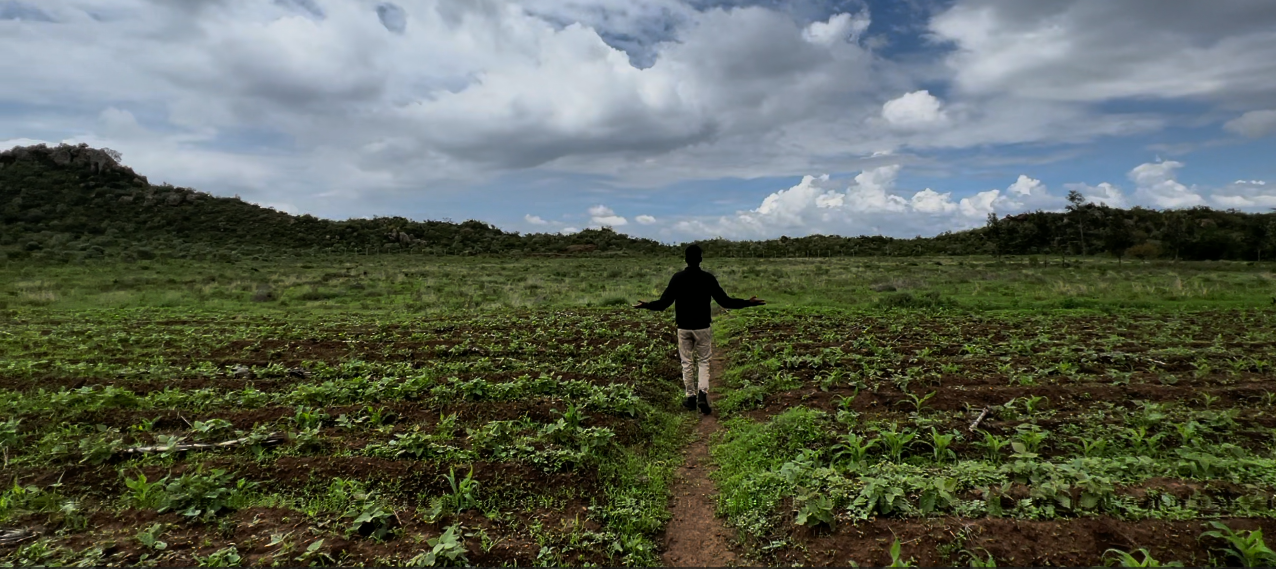
At Feeding Mouths Filling Minds, we focus on rural African communities because these are the areas where dependable food access and educational resources are often the most limited and where collaboration can have meaningful, lasting impact.
Locally Led, Impact-Driven
We support locally led projects because our in-country partners know what their communities need. They understand how to:
Keep students in school
Use available resources
Adapt to real-time challenges
Across Liberia, Kenya, Rwanda, and Sierra Leone, we’ve seen how school gardens, meal programs, and community-driven education projects improve student nutrition and learning.
How We Work
We don’t design from afar. Instead, we:
Build long-term partnerships
Stay connected through field visits and regular calls
Review projects often and listen closely to local feedback
This helps us support real needs and grow local capacity.
What We Saw in Rwanda
During visits to six rural schools:
Five lacked fruits and vegetables in school meals. The reason wasn’t climate, but the high cost of food.
All had usable land for gardening.
With local input, schools began planning small gardens to feed students and offer hands-on learning.
Our Focus
We remove the barrier of food insecurity so students can focus on learning.
We fund projects that are:
Sustainable
Locally led
Education-focused
These efforts do more than provide meals. They build skills, dignity, and pathways for long-term success.
If you're interested in how food, education, and local leadership intersect, we welcome you to learn more and connect with our work.
Why food is more than a meal: It’s a gateway to education, health, and freedom.
It All Begins Here
At Feeding Mouths Filling Minds, we believe that localized food systems have the power to catalyze sustainable environmental and economic growth. When a child has reliable access to protein-rich meals, their ability to learn increases. In parts of Sub-Saharan Africa, up to 40% of children under five are stunted due to chronic malnutrition, which impacts both physical development and cognitive performance (UNICEF, 2025).
We’ve seen how consistent school meals keep children in the classroom. In Liberia, through our partnership with Humanity Care Liberia, our community-led agriculture initiative reaches more than 1,600 individuals, addressing hunger and supporting long-term educational engagement.
Seeds of Strength
When paired with strong local leadership, it becomes a tool for lasting change. FMFM partners with our in-country leaders to support agriculture projects on locally owned land—creating food security, vocational training, and leadership opportunities, especially for women. Together, we’re building community-driven solutions that last.
Lasting impact doesn’t happen overnight. It takes commitment, local leadership, and the right tools. That’s the work Feeding Mouths Filling Minds supports: locally designed food systems that improve education, strengthen health, and open the door to a more self-sustaining future.
Rwanda Independence Day
It All Begins Here
Today, Rwanda celebrates 62 years of independence. This is a powerful moment to reflect on the country’s journey of resilience, unity, and progress. It is also an opportunity to recognize the role of local leadership and innovation in shaping the future of education, health, and sustainability across the country.
Since 2017, Feeding Mouths Filling Minds has proudly partnered with schools in Kayonza, Gasabo, and Kamonyi to link nutrition and education through locally rooted, future-focused efforts.
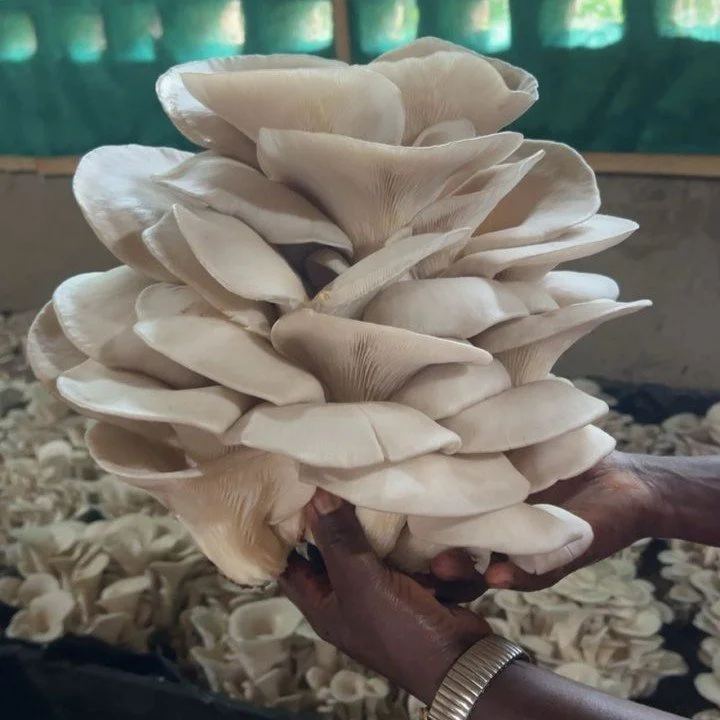
In Kayonza, at Imizi Children’s Center, a partnership with Water Access Rwanda and Strides for Africa, we restored access to a vital water system. Today, more than 200 children have safe water for drinking and hygiene. In 2024, Imizi launched a mushroom farming project, combining agricultural learning with enhanced school meals.
Sustainable Schools in Action
At Bumbogo Secondary School in Gasabo District, over 750 students are involved in a school farm that grows fruits and vegetables. A new chicken rearing initiative, launched in 2024, is expanding the school’s food program while offering students the chance to learn about animal care and nutrition systems firsthand.
Across Kamonyi District, at the St. Jean Bosco Schools, over 3,500 students benefit from rainwater harvesting systems developed in partnership with Water Access Rwanda. These systems, installed between 2022 and 2023, are helping schools become more self-reliant and better equipped to support student well-being.
These projects are more than infrastructure. They are led and maintained by the communities themselves. FMFM continues to walk alongside local leaders to expand educational opportunities and build models of nutritional and economic sustainability that students can carry forward.
Grown Through Purpose: The Pillars Behind Our Mission and Projects
It All Begins Here
Feeding Mouths, Filling Minds was founded on a belief: that children deserve dependable access to nutritious food so they can focus on their education and future. Since then, our work has expanded through trusted partnerships and project models that support both immediate needs and long-term systems.
Our approach is structured around three mission pillars that define our purpose, direction, and method. These are implemented through four project pillars that drive our impact with our in-country partners across Liberia, Rwanda, Kenya, Sierra Leone, and Tanzania.
Our Mission:
Our Why
Healthy families. Educated children. Thriving communities.
Our work begins with this purpose. When families have consistent access to food and children are able to stay in school, communities can grow stronger across generations.
Our What
Nutritious food sources for children.
FMFM supports projects that shift from short-term aid to long-term access. This includes school gardens, poultry and mushroom farming, and food education programs designed to be maintained locally.
Our How
Sustainable Initiatives, Education, and Local Leadership
Each project is developed and led in collaboration with our in-country partners. These leaders bring the cultural insight and technical knowledge needed to design effective, relevant solutions. Our role is to listen, co-plan, and fund initiatives with shared ownership.
Our mission pillars express the core beliefs that shape our purpose. They guide how we approach hunger, education, leadership, and long-term change. These principles keep us aligned with our vision to empower communities through nutrition and learning.
Our Four Project Pillars
1. Eliminating Hunger Challenges
We address food insecurity by investing in school meal programs and food production systems. In Liberia, our agriculture-based Home Grown School Feeding Project currently serves over 1,600 people through cassava cultivation and school gardens.
2. Promoting Education
We support learning environments where children can succeed. This includes providing classroom technology in Liberia, environmental science instruction in Sierra Leone, and hands-on agriculture programs in Rwanda and Kenya.
3. Creating Maximum Local Impact
All FMFM projects are co-developed with our in-country partners. For example, in Rwanda we worked with local schools to introduce poultry farming and mushroom production that directly supplement school meals. This helps ensure that programs meet local needs and can be carried forward by the community.
4. Empowering Leaders
We support leadership development through education, training, and project ownership. In Sierra Leone, students at Koinadugu College have launched their own environmental initiatives after participating in FMFM’s Sustainability Incubator, which continues to run each academic semester.
Our project pillars provide the structure for how we plan, implement, and evaluate the initiatives we support. They reflect our commitment to local leadership, sustainability, and meaningful collaboration at every stage, from early assessment to long-term follow-up.
These pillars ground our work in local realities. They build continuity across regions and partnerships and reflect the voices and values of the communities we serve.
Celebrating the International Day of the African Child
At Feeding Mouths Filling Minds, we believe every child deserves access to education, nourishment, and the chance to shape their own future. On this International Day of the African Child, we honor that belief by lifting up stories of resilience, leadership, and progress from the communities we support across Africa.
One powerful example comes from Nimba County, Liberia, where students at the Maria Nicholas-Groves School of Excellence (MNGESS) are engaging in education that goes far beyond textbooks. With our long-term partner Humanity Care Liberia, the school is growing into a hub of locally driven learning that reflects the community’s values and vision for its children.
In 2024, students at “MNGESS” gained access to laptops. This essential tool is now benefiting more than 130 learners. The technology is not just a learning aid; it is a bridge to opportunity that connects students to new skills and digital resources. These tools help prepare them to thrive in an ever-changing world.
Meanwhile, the Home Grown School Feeding Project continues to nourish both minds and bodies. The initial phase of the farm will benefit over 1,600 individuals through school-based agriculture. This initiative combines nutrition, learning, and income-generating skills. It allows students to see how education can plant the seeds for a stronger future.
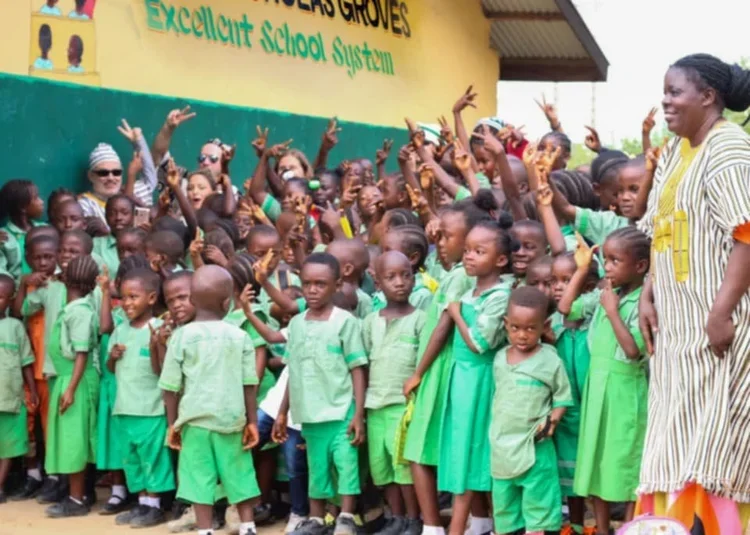
“When children are nourished, supported, and seen, they don’t just learn. They lead.”
Across Sierra Leone, Kenya, Rwanda, Tanzania, and Liberia, FMFM celebrates the International Day of the African Child by reaffirming our commitment to long-standing local partnerships. These partnerships help students gain the tools they need to grow into confident, capable leaders.