
When meal becomes a turning point
When FMFM partners with a community, we assess long-term trends to better understand how nutrition shapes children’s futures. In Kenya, by 2014, an estimated 1.8 million children were stunted and 767,927 were underweight (UN WFP, 2019) African Union Commission, United Nations Economic Commission for Africa, United Nations World Food Programme, and United Nations Children’s Fund (UNICEF).
That same year, 12.9 million working-age adults had experienced stunting as children, contributing to an economic loss estimated at 6.9% of the country’s GDP. These figures highlight how childhood hunger limits both individual and national potential.
FMFM has been partnering with schools to respond to these challenges with community-led, nutrition-focused interventions. At one of our early partner schools, something simple has made a measurable difference: lunch. Once students knew they would receive a meal, attendance improved, and classroom engagement followed. They no longer had to choose between hunger and learning.
Hunger doesn’t just affect the body. It affects the classroom, the future, and the community.
At Feeding Mouths Filling Minds, we’ve seen firsthand how the absence of dependable meals impacts students’ ability to attend school, concentrate, and grow. The problem isn’t only what’s missing from the plate; it’s what’s missing from the learning experience.
The impact goes beyond the school day. Hunger-related setbacks affect a child’s long-term ability to earn, a family’s economic mobility, and a community’s stability. Investing in food access means investing in education, opportunity, and future leadership.
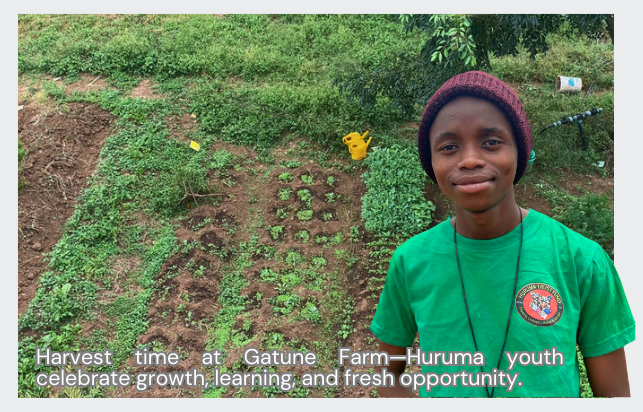
Our projects are shaped and sustained by local leaders, those who know their community best. From managing school gardens to planning harvest cycles, their work is rooted in context and designed for long-term impact.
Food systems are not a handout. It is a launchpad for learning, a foundation for growth, and a tool for transformation.
