Grown Through Purpose: The Pillars Behind Our Mission and Projects
Feeding Mouths, Filling Minds was founded on a belief: that children deserve dependable access to nutritious food so they can focus on their education and future. Since then, our work has expanded through trusted partnerships and project models that support both immediate needs and long-term systems.
Our approach is structured around three mission pillars that define our purpose, direction, and method. These are implemented through four project pillars that drive our impact with our in-country partners across Liberia, Rwanda, Kenya, Sierra Leone, and Tanzania.
Our Mission:
Our Why
Healthy families. Educated children. Thriving communities.
Our work begins with this purpose. When families have consistent access to food and children are able to stay in school, communities can grow stronger across generations.
Our What
Nutritious food sources for children.
FMFM supports projects that shift from short-term aid to long-term access. This includes school gardens, poultry and mushroom farming, and food education programs designed to be maintained locally.
Our How
Sustainable Initiatives, Education, and Local Leadership
Each project is developed and led in collaboration with our in-country partners. These leaders bring the cultural insight and technical knowledge needed to design effective, relevant solutions. Our role is to listen, co-plan, and fund initiatives with shared ownership.
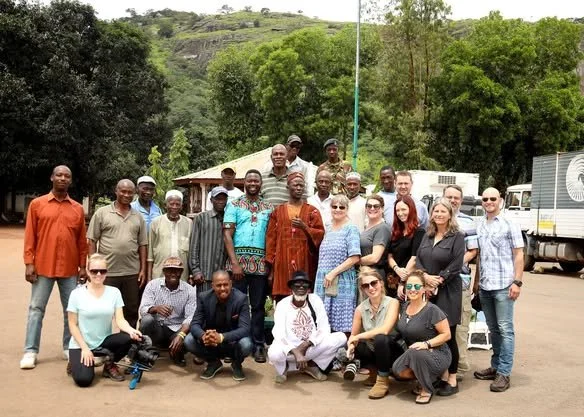
Our mission pillars express the core beliefs that shape our purpose. They guide how we approach hunger, education, leadership, and long-term change. These principles keep us aligned with our vision to empower communities through nutrition and learning.
Our Four Project Pillars
1. Eliminating Hunger Challenges
We address food insecurity by investing in school meal programs and food production systems. In Liberia, our agriculture-based Home Grown School Feeding Project currently serves over 1,600 people through cassava cultivation and school gardens.
2. Promoting Education
We support learning environments where children can succeed. This includes providing classroom technology in Liberia, environmental science instruction in Sierra Leone, and hands-on agriculture programs in Rwanda and Kenya.
3. Creating Maximum Local Impact
All FMFM projects are co-developed with our in-country partners. For example, in Rwanda we worked with local schools to introduce poultry farming and mushroom production that directly supplement school meals. This helps ensure that programs meet local needs and can be carried forward by the community.
4. Empowering Leaders
We support leadership development through education, training, and project ownership. In Sierra Leone, students at Koinadugu College have launched their own environmental initiatives after participating in FMFM’s Sustainability Incubator, which continues to run each academic semester.
Our project pillars provide the structure for how we plan, implement, and evaluate the initiatives we support. They reflect our commitment to local leadership, sustainability, and meaningful collaboration at every stage, from early assessment to long-term follow-up.
These pillars ground our work in local realities. They build continuity across regions and partnerships and reflect the voices and values of the communities we serve.
