
Hundreds of children. One woman’s vision. A farm to help fulfill it.
Gatune Farm in Kenya is growing a future for children at Huruma Children’s Home and school. With your support, it can expand into a farm business that provides nutritious food, helps fund the home and school, and creates education and career opportunities for young adults who grew up there.
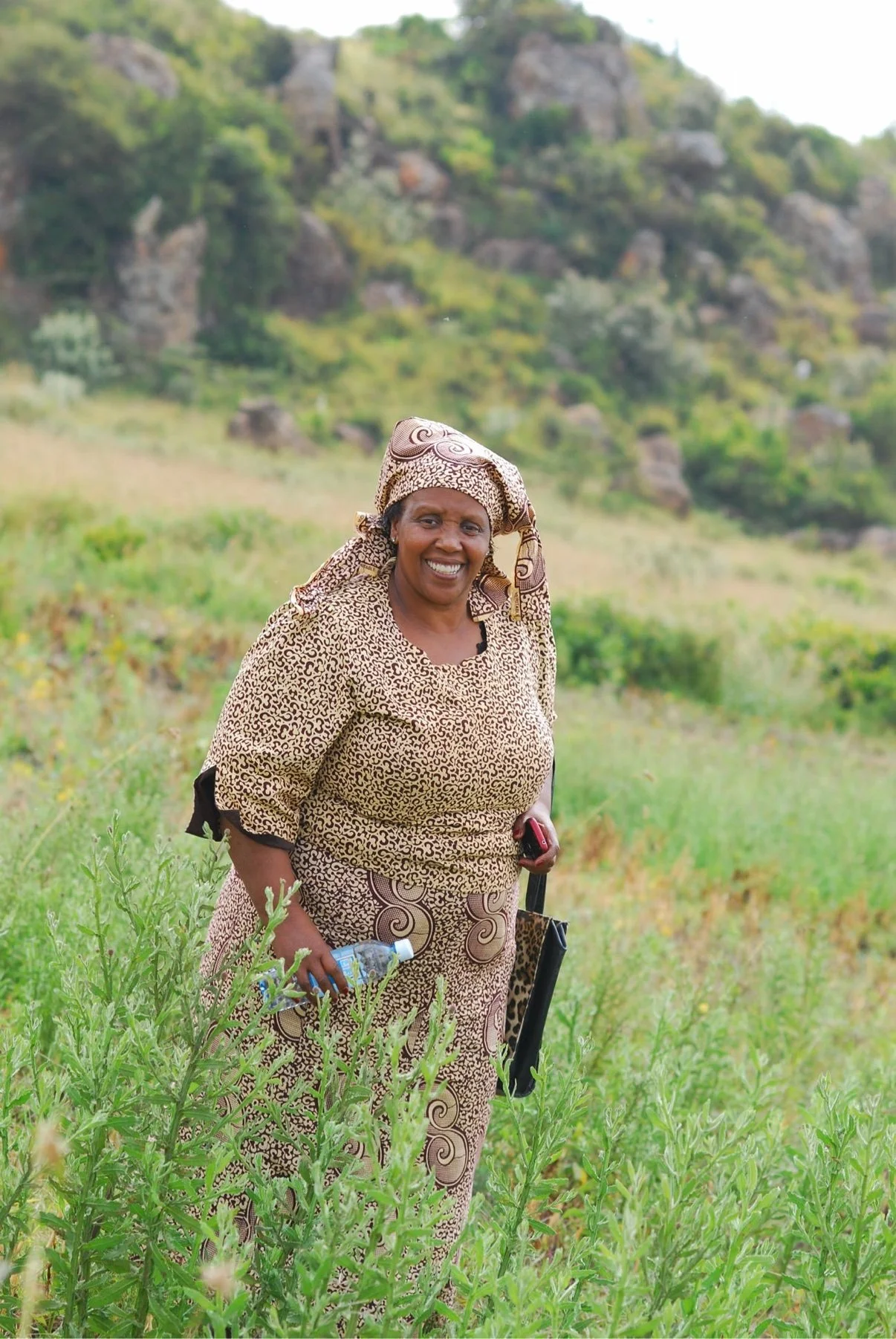
Mama Zipporah, at Gatune Farm in Kenya
Gatune Farm is helping build food security, meaningful work, and a more sustainable future for Huruma Children’s Home and school in Kenya.
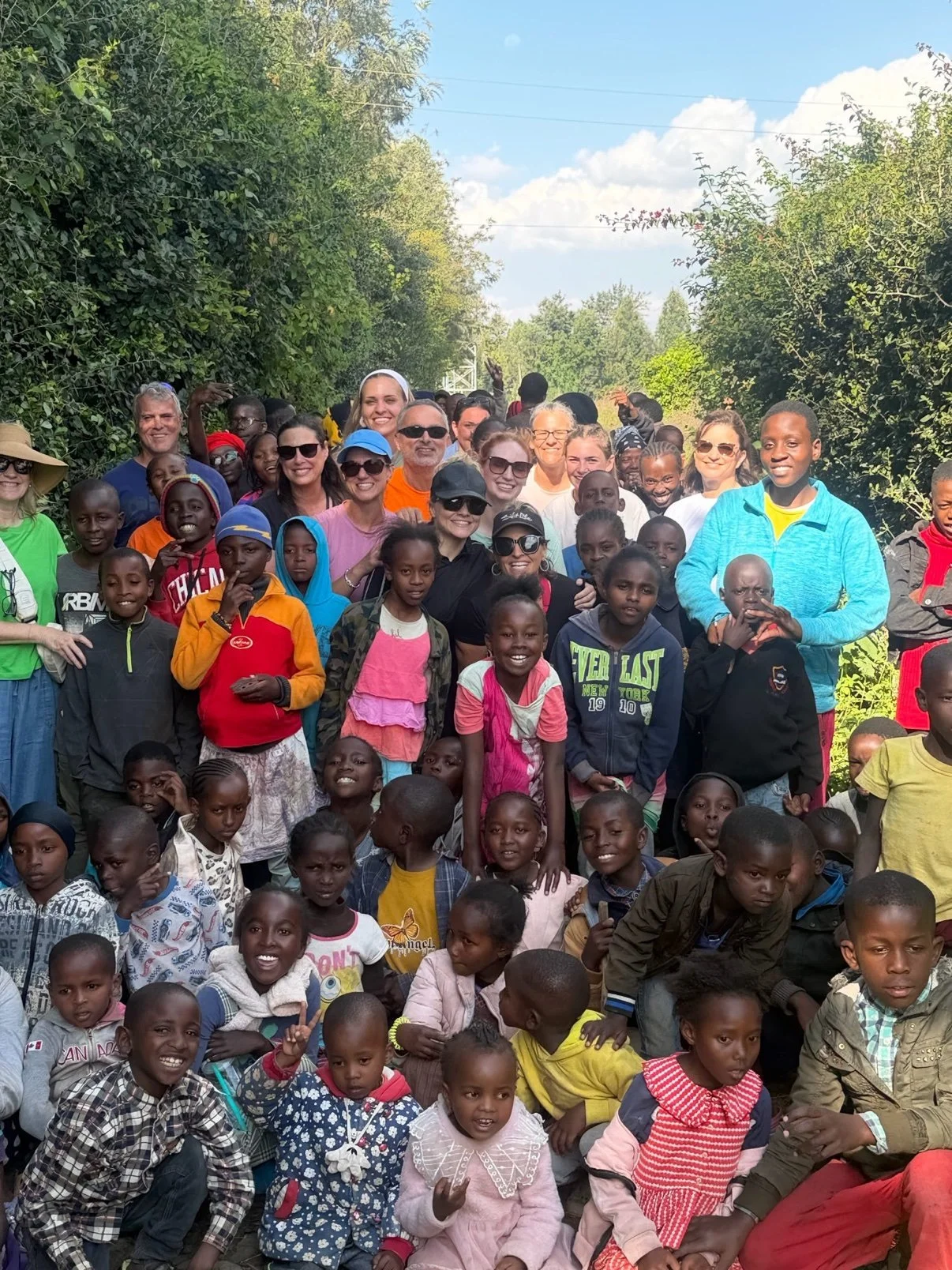
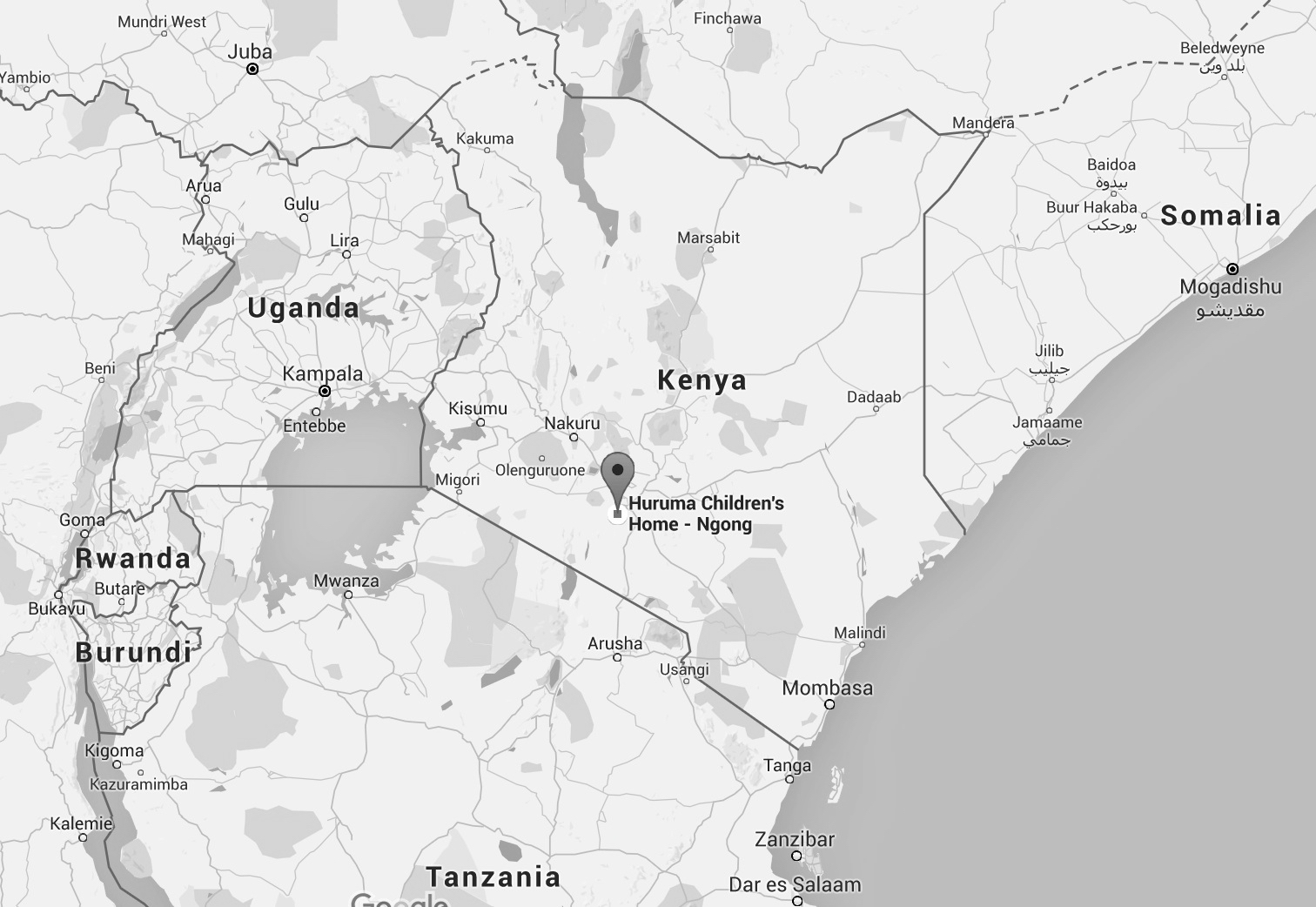
Near Ngong, Kenya, Mama Zipporah and her team give orphaned and vulnerable children from just infancy through age 18 a home, an education, and people they can count on. Generous neighbors, sponsors, and donors help make that care possible.
Mama’s vision is for Huruma to become increasingly self-supporting. At Gatune, that vision is taking root through food production, farm sales, and the young adults who grew up at Huruma and now help steward its land.
Gatune is coming to life before our eyes. Community. Opportunity. Hope.
Want to learn more? Contact our lead volunteer for the Gatune project, Deborah Polite, at dpolite411@gmail.com.
The Vision: From Depending on Donations to Building Self-Sufficiency
Gatune brings together food security, practical learning, meaningful work, and community development. Mama’s answer is Gatune Farm—land, water, crops, and livestock developed into a business with a mission:
Nourish the children. Provide fresh vegetables, eggs, and a more varied diet with the protein and nutrients children need to grow, stay healthy, and learn.
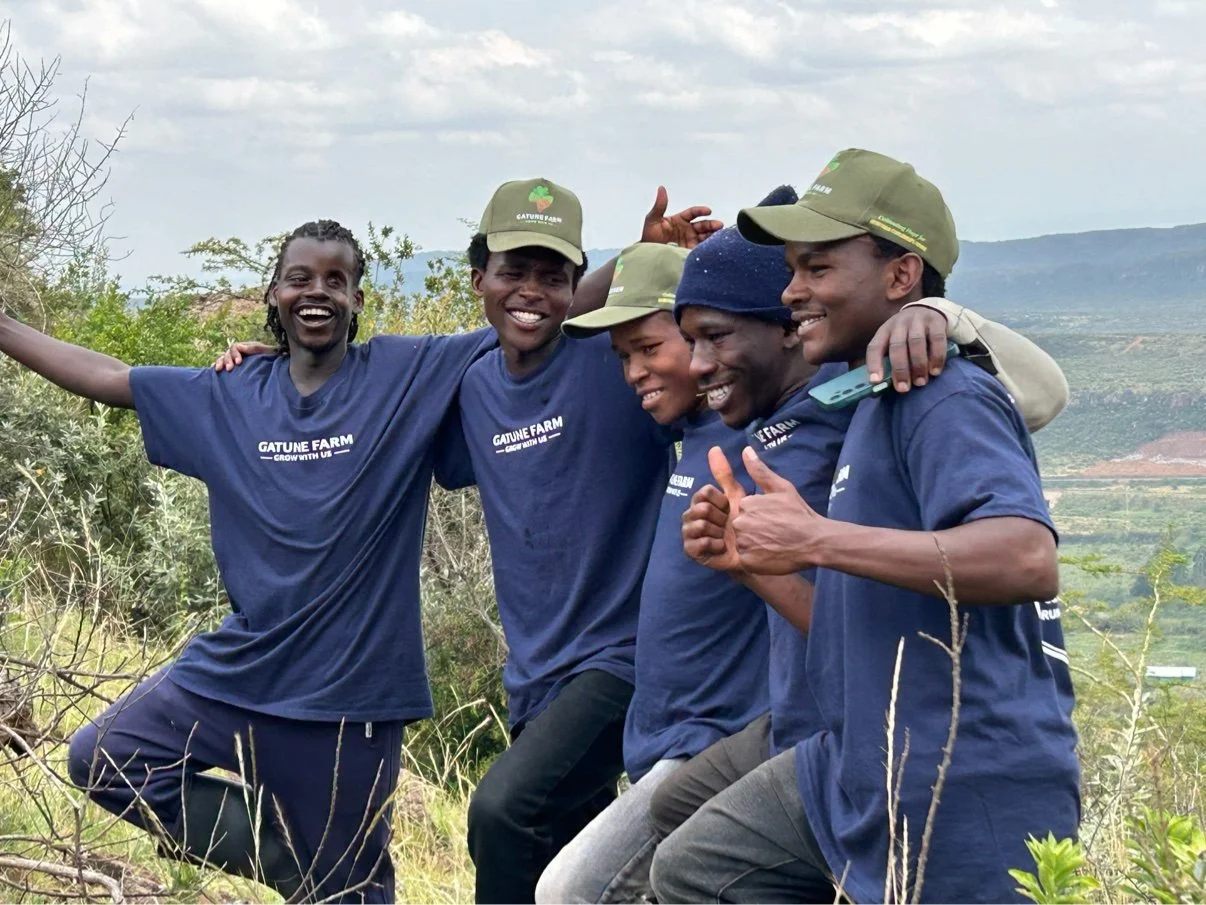
Give them a future to grow into. Turning 18 shouldn’t mean facing the world alone. At Gatune, young adults who grew up at Huruma grow food for the children now sitting where they once sat. They’re helping sustain the home that raised them while gaining a place to live, skills, and an income to build a life of their own.
Help Huruma stand on its own. Growing food lowers what the home needs to buy. Profits from farm sales can help pay for meals, care, and schooling. Your gift helps build a business that can keep supporting children year after year—so Huruma can rely more on what it produces and earns, and less on the next donation.
It’s Already Happening
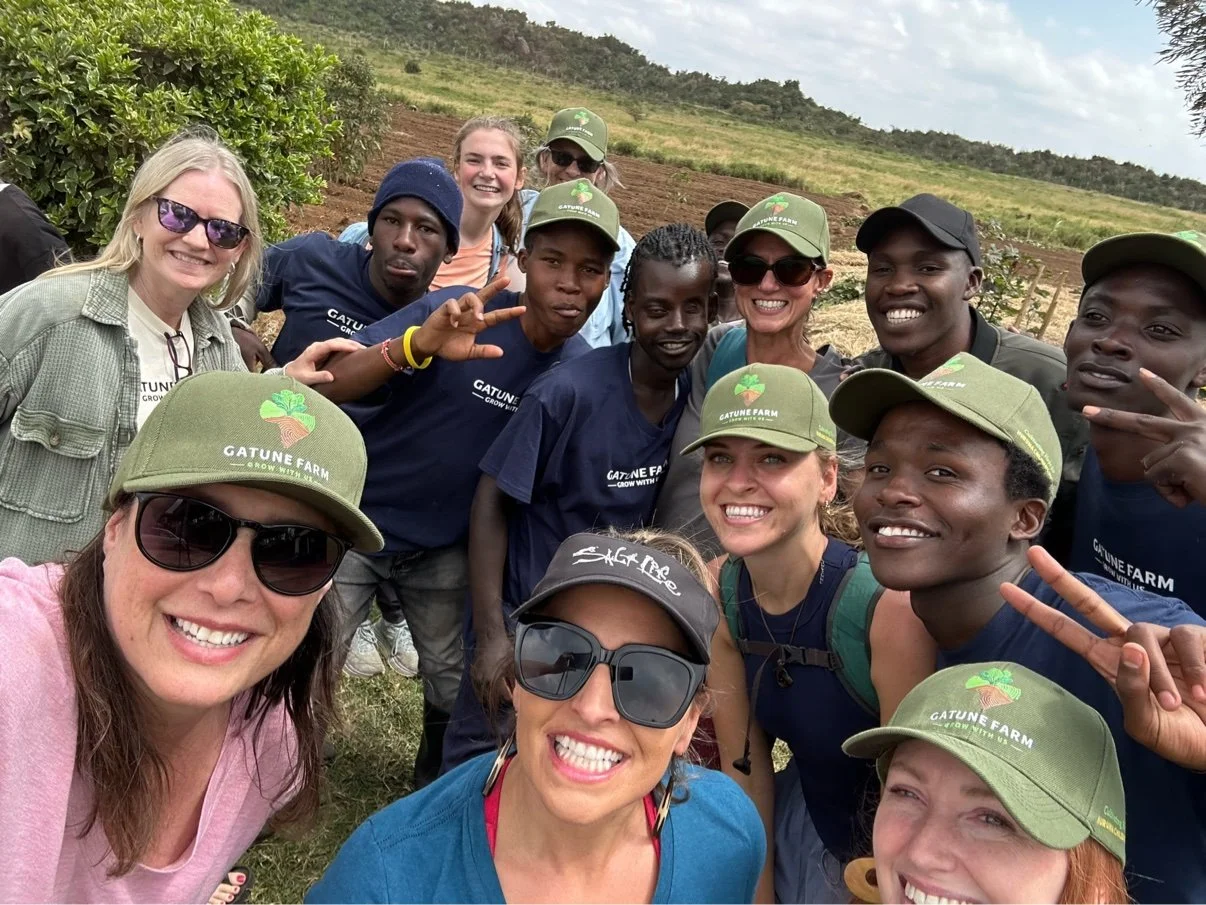
Led day-to-day by an exerpienced farm manager, John Munguti, former Huruma students now live and work at the farm - learning from John’s wealth of knowledge, experience and mentorship. Together, they are helping build the opportunity that can support the children coming after them. Here are just a few things in the works today:
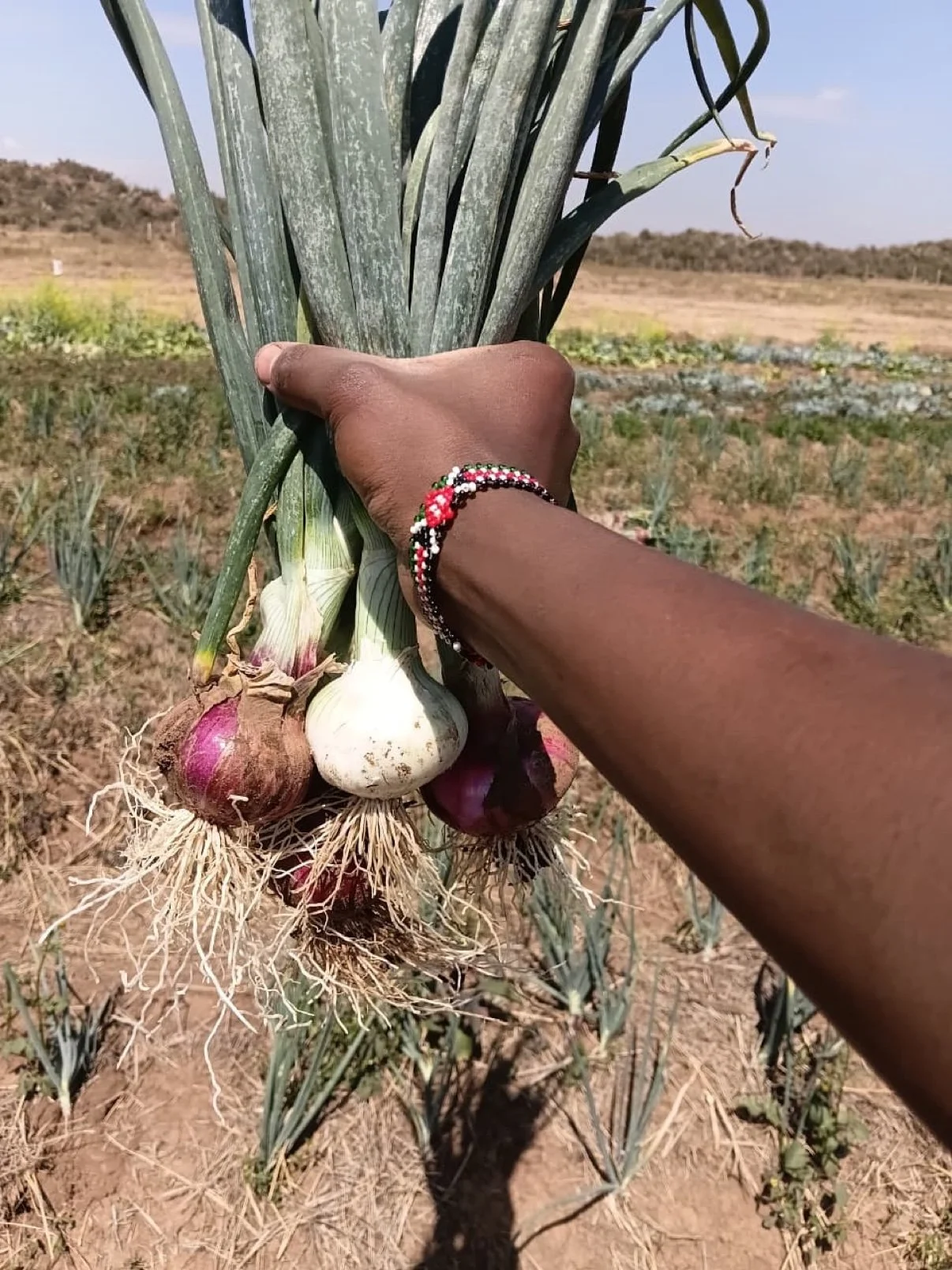
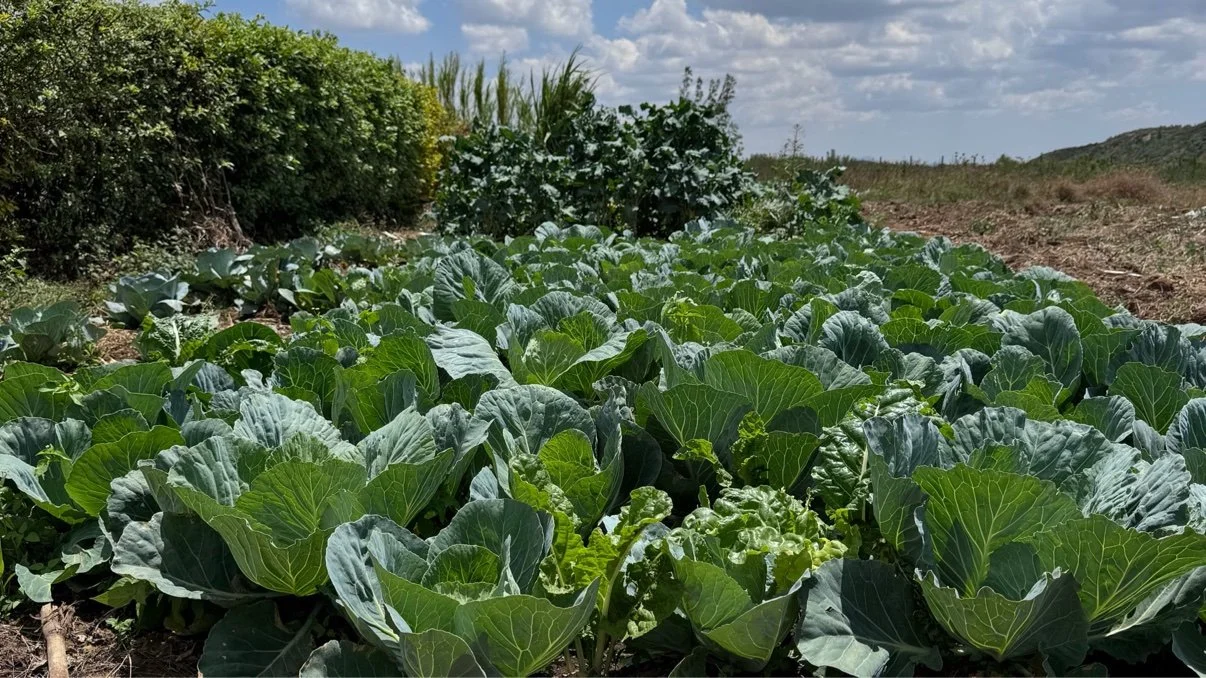
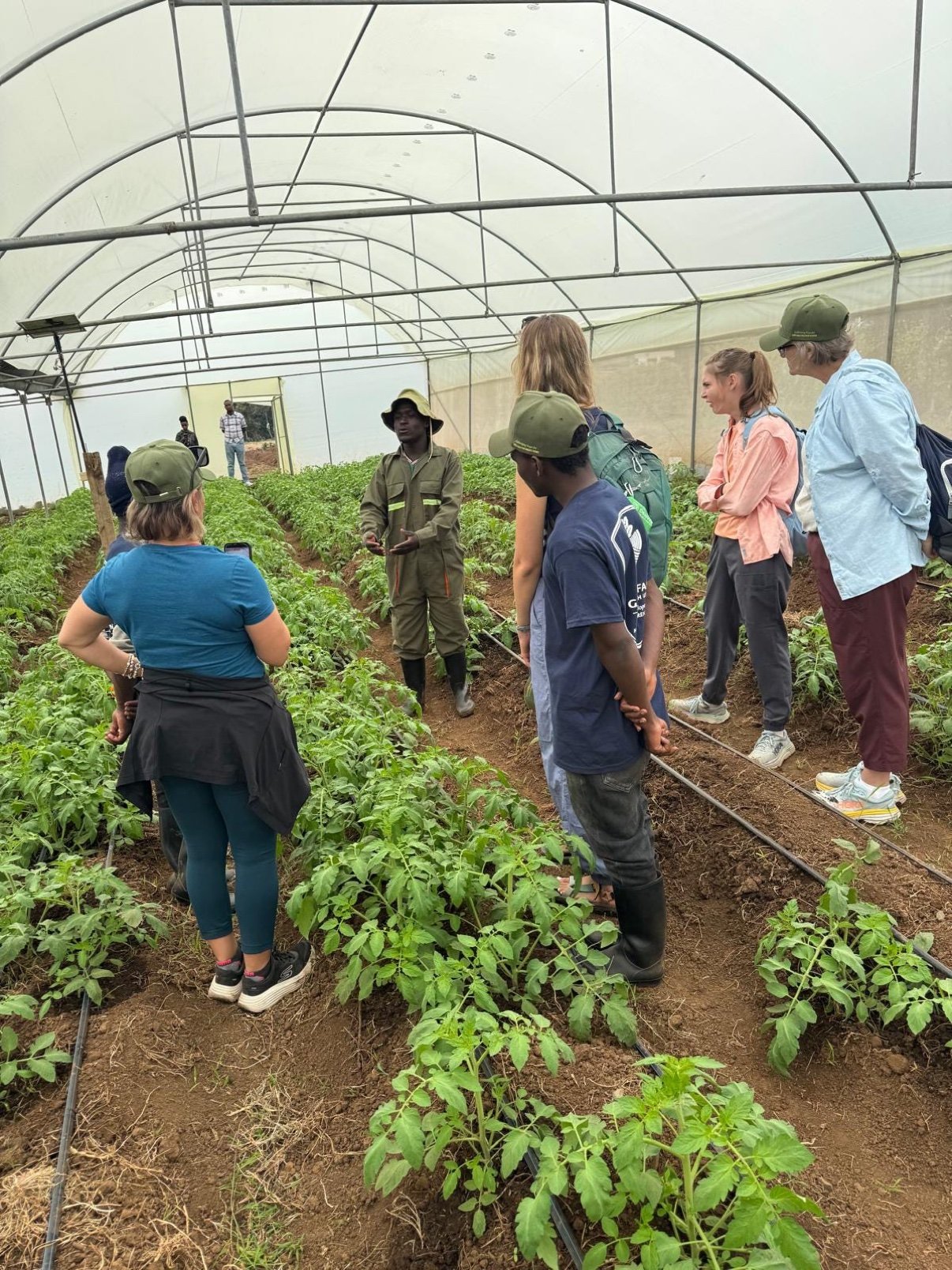
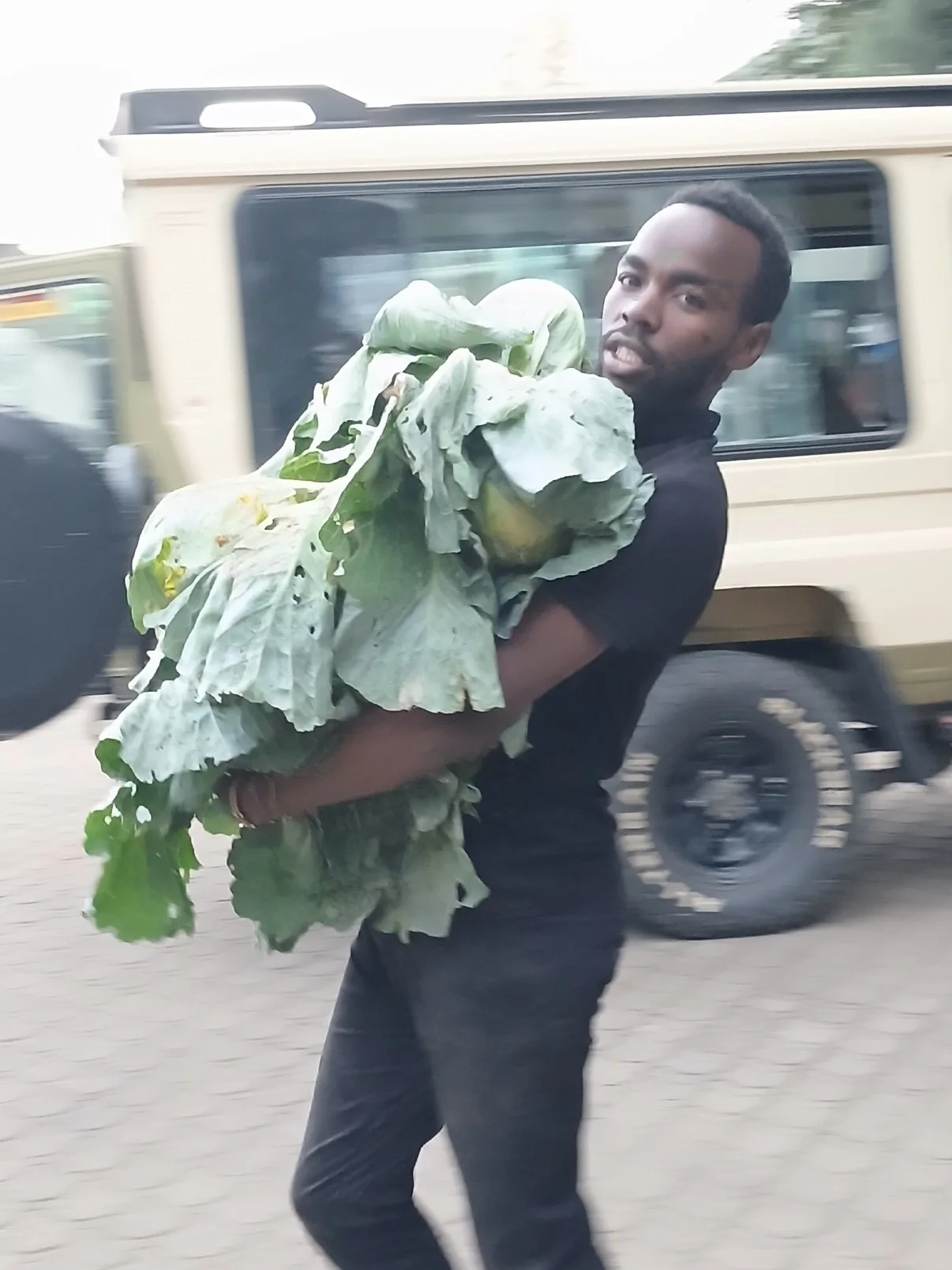
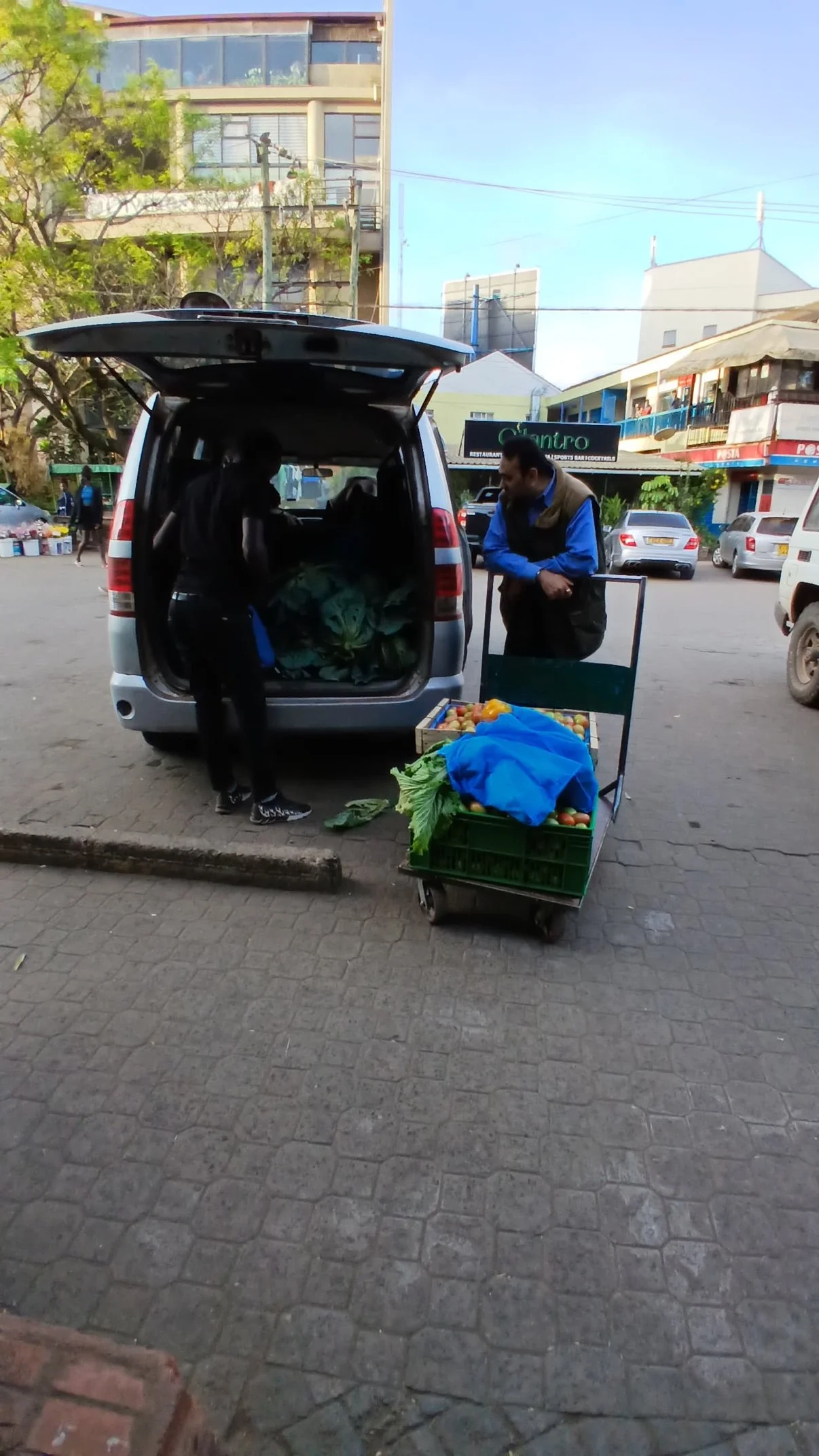
Growing food and finding customers. Gatune has brought five of its 15 acres into cultivation, supplying fresh vegetables grown on its land and in FMFM-funded greenhouses to Huruma and selling into a local market that’s already buying. Businesses including Hotel Rudi in Karen and Karen Provision Store have ordered its produce, and potential buyers have expressed interest in eggs and honey as the farm expands.
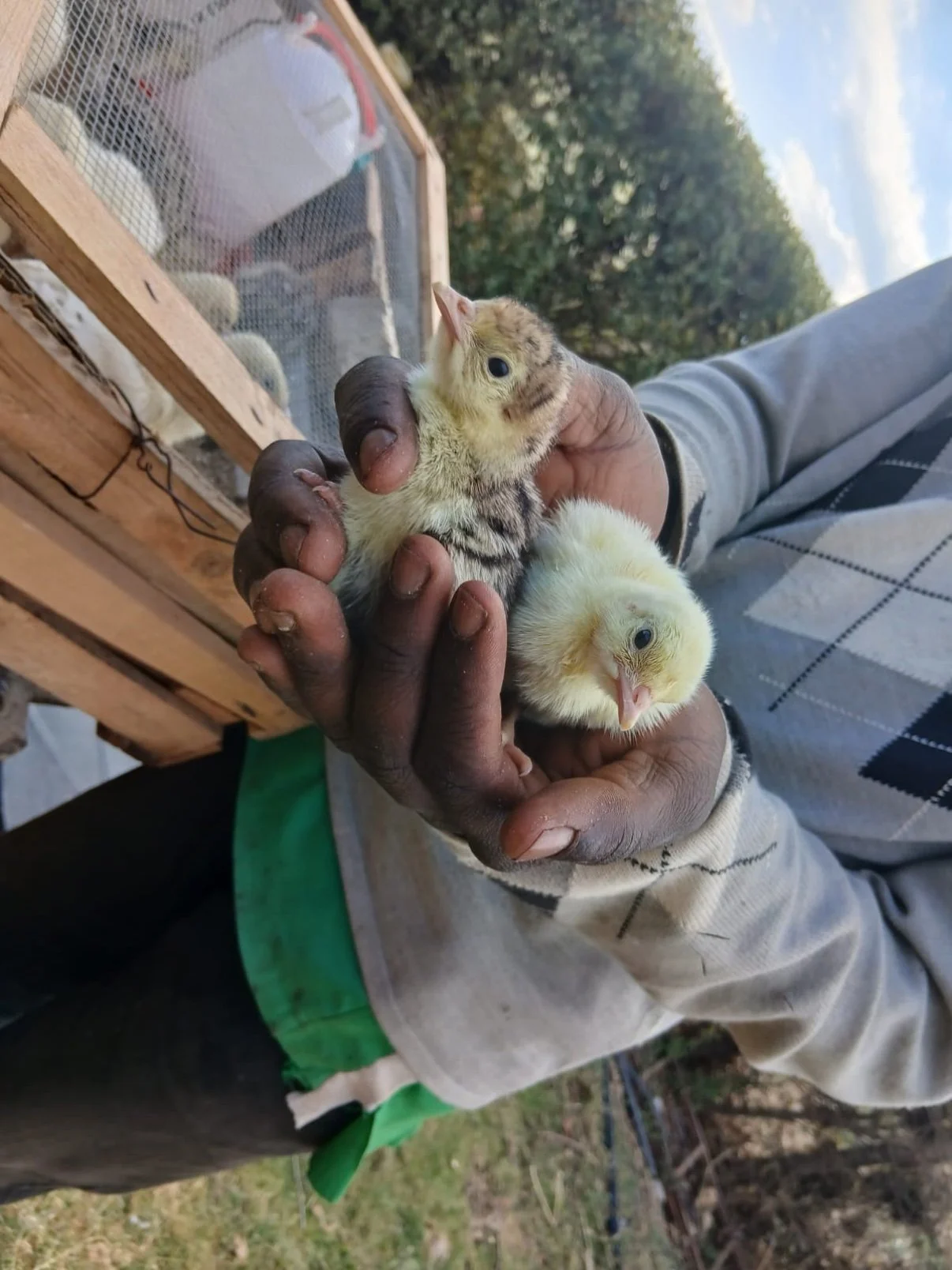
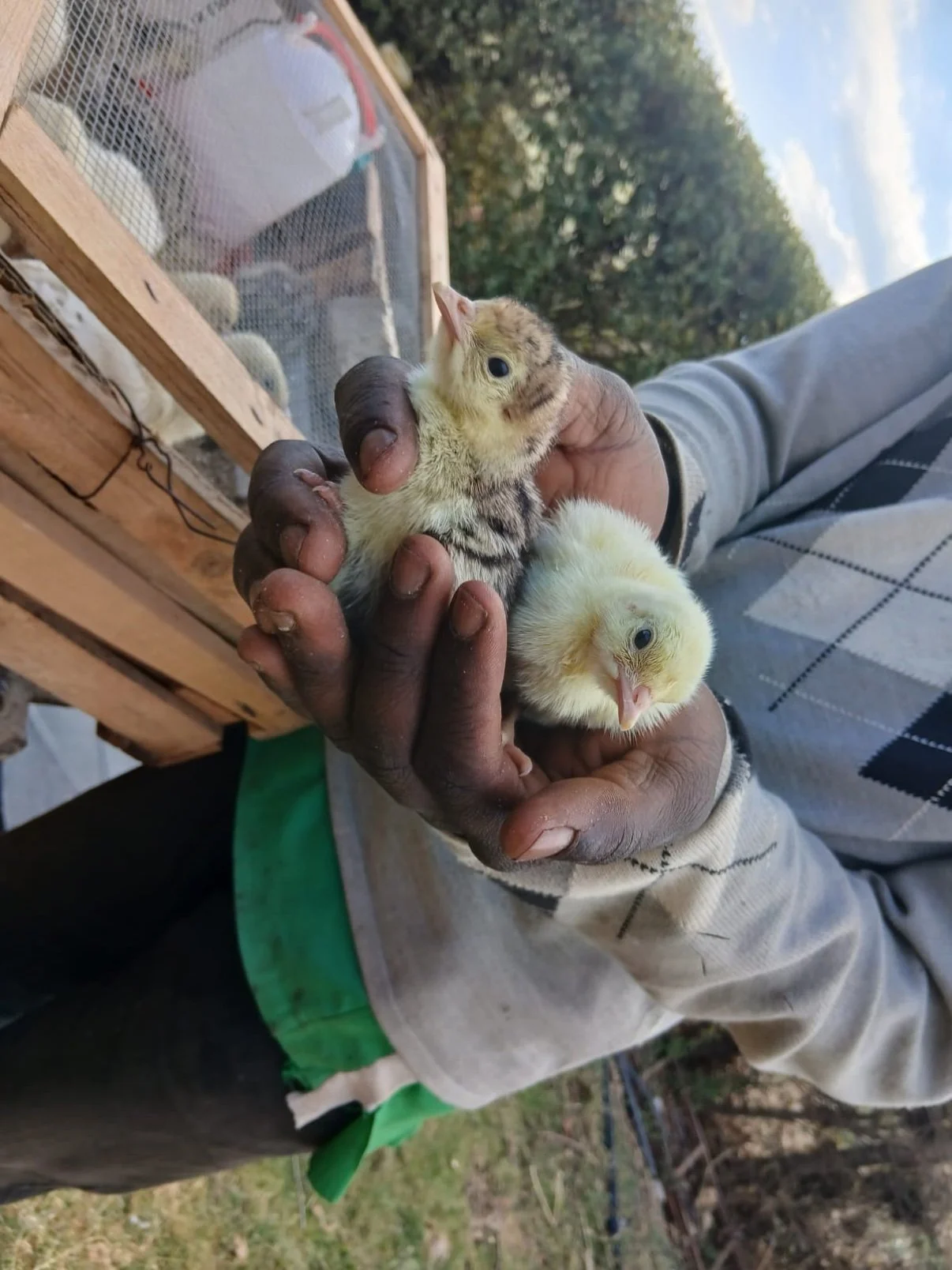
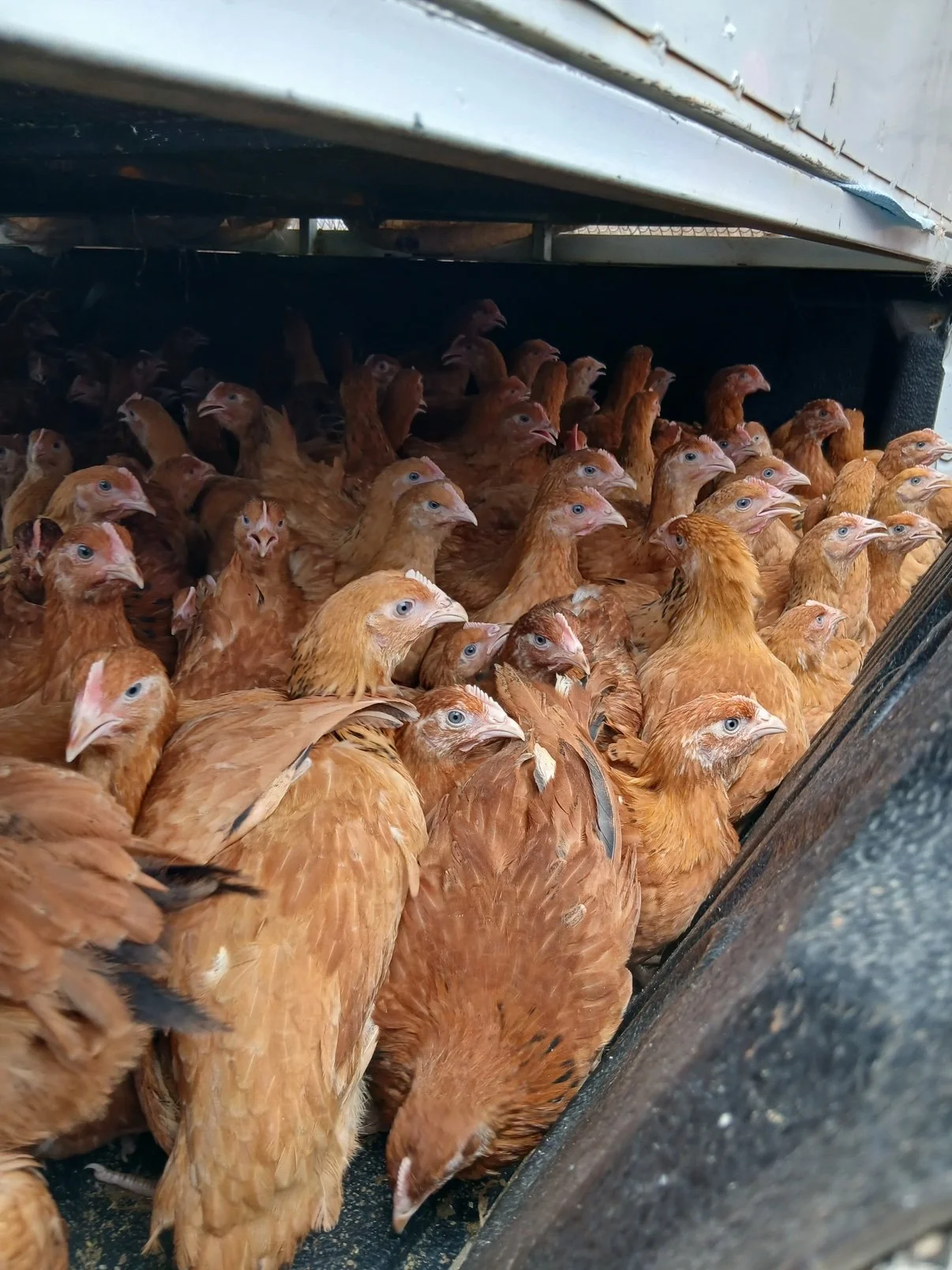
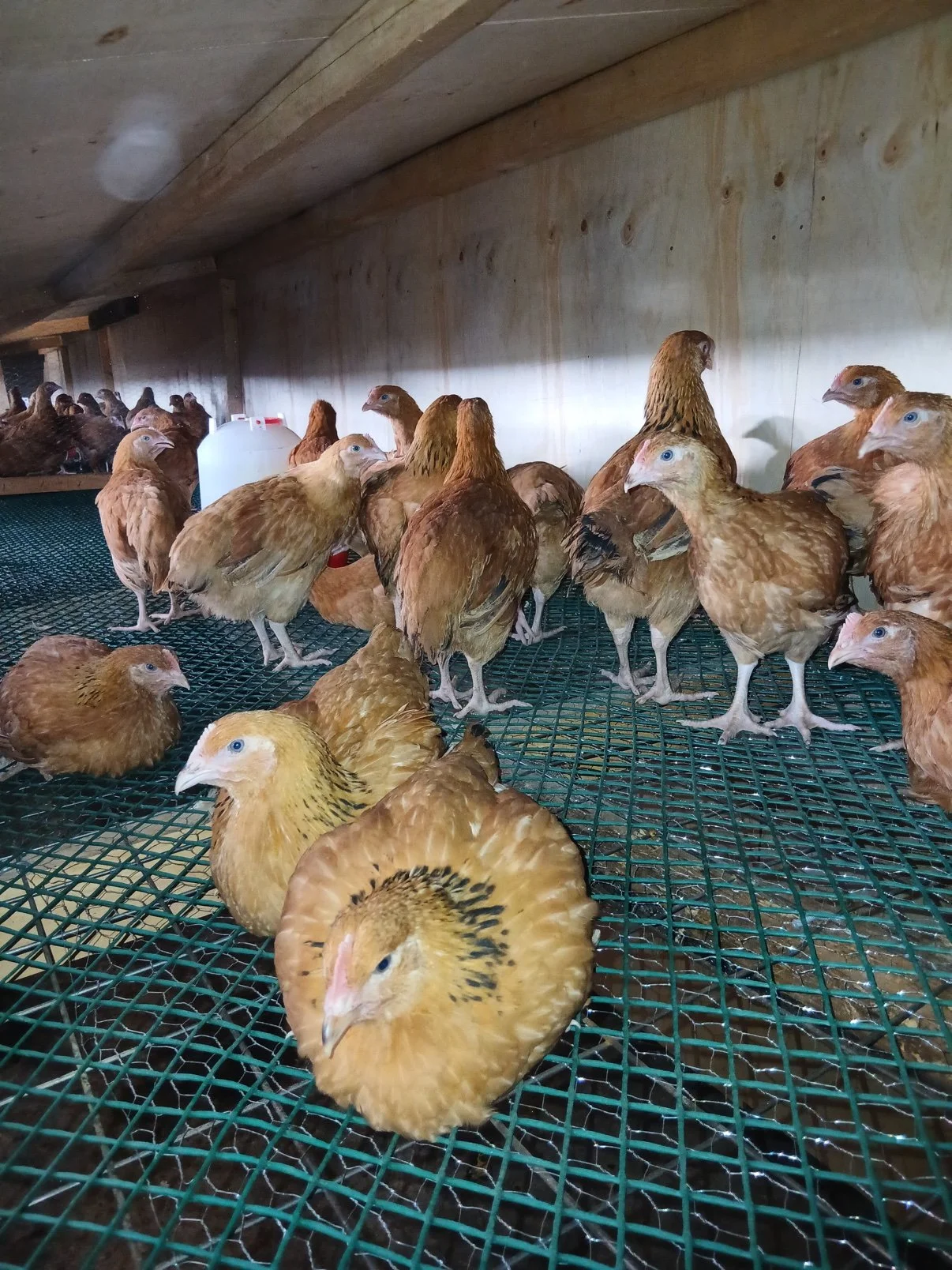
New chicks arrive at the farm as part of the Hurume-Gatune Poultry Pilot
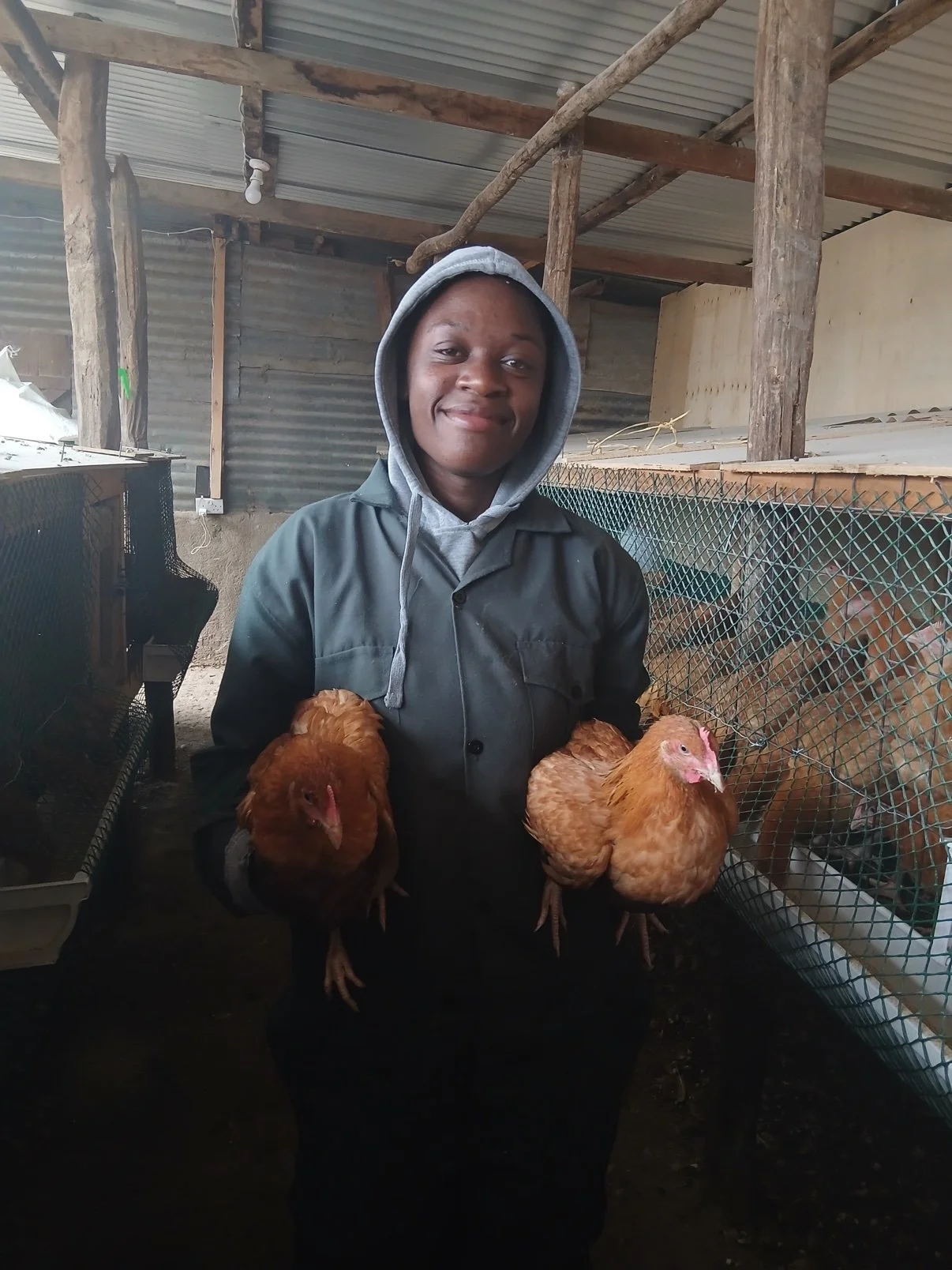
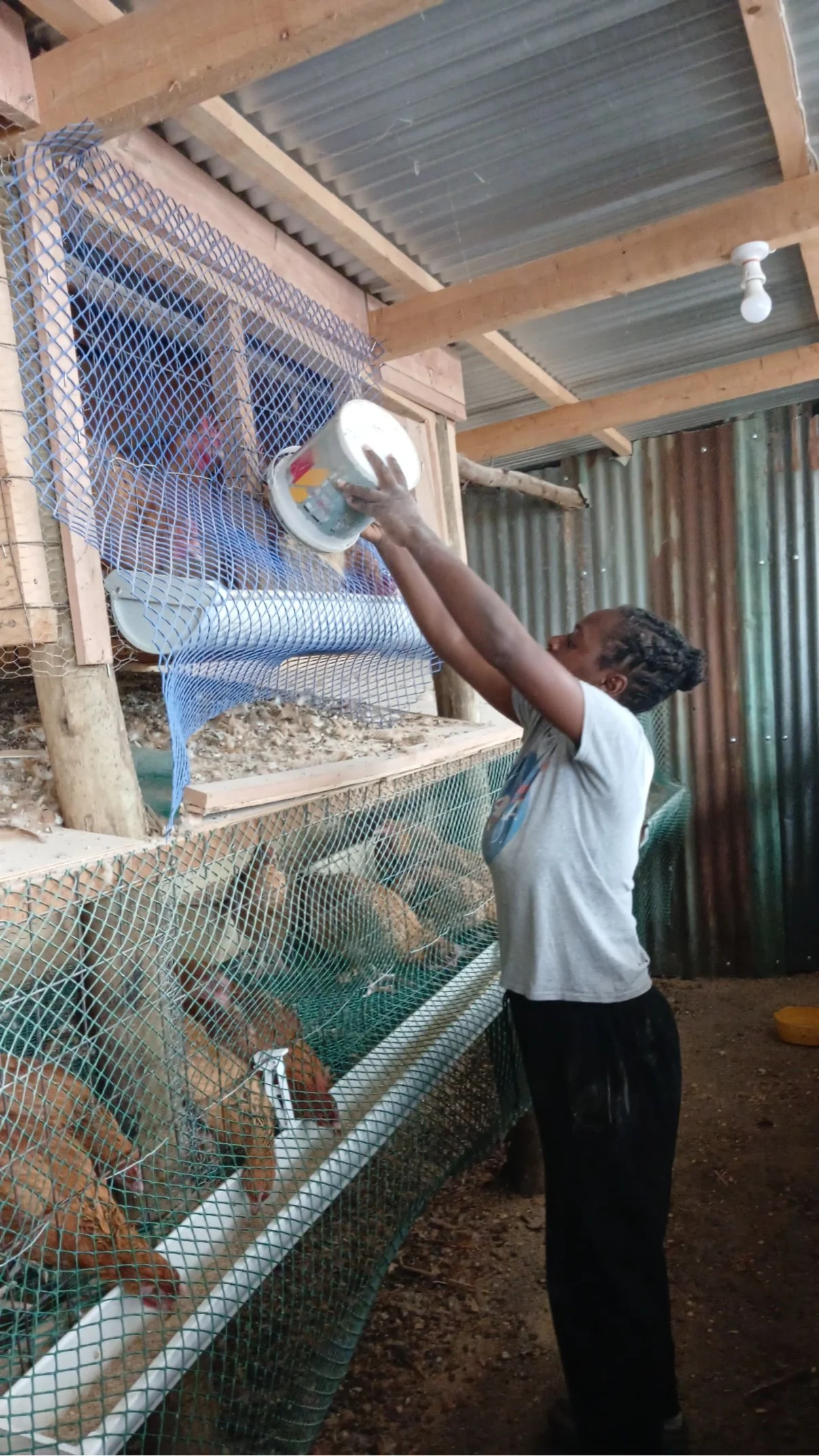
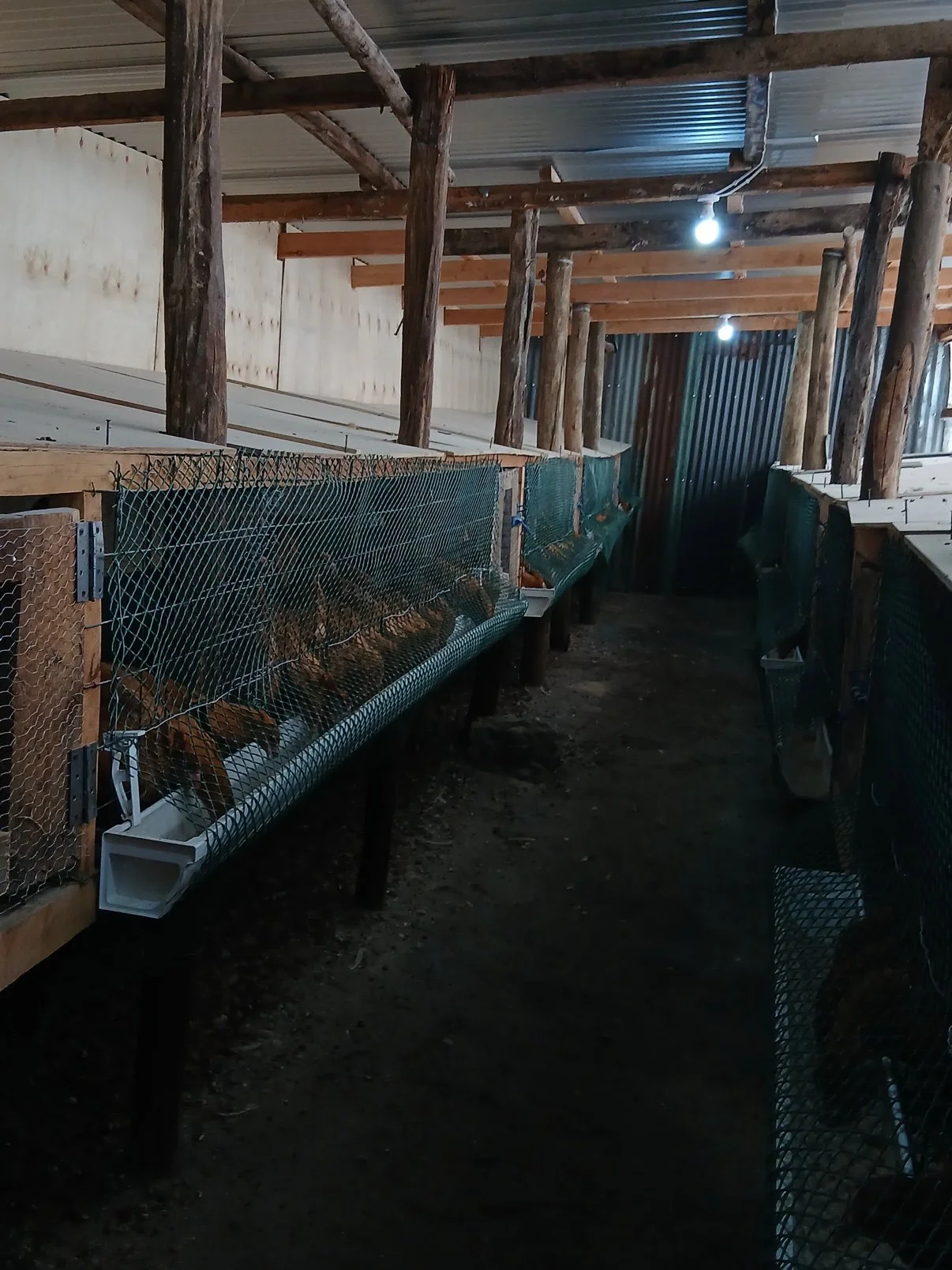
The Huruma-Gatune Poultry Pilot is underway. A smaller project at Huruma is testing the egg business before expansion at Gatune. The plan prioritizes eggs for children with particular nutritional needs and sells remaining production. Huruma currently relies largely on donated eggs, purchasing more when donations do not cover those needs.
The project began the summer of 2026, with a pilot flock of 200 birds, with the goal of providing fresh eggs for Huruma’s children and selling surplus locally to help cover costs. Huruma graduates will help care for the flock, track production, and gain practical experience in running a farm business. Lessons and successes from the pilot will guide a larger egg operation at Gatune—1,000 laying chickens—building an important protein source for the children and an essential source of ongoing income for the home.
Turning farm waste into healthier soil. The team makes its own compost using chicken manure and other organic materials. Properly composted, these materials return nutrients to the soil, support healthy crops, and help reduce spending on purchased fertilizer.
A foundation is in place. Earlier investments have brought water access, a farm pond, irrigation, and a greenhouse to Gatune. The next stage builds on that progress.
Raised at Huruma. Growing its future. Joseph grew up at Huruma. Today, he’s helping lead the poultry project, caring for a flock that will help feed children growing up in the home he knows so well. Alongside other Huruma graduates, he’s helping care for the next generation while building a future of his own.
Our Role
Feeding Mouths, Filling Minds has worked alongside Huruma since 2012, supporting its food and water priorities. Together with Huruma’s leadership and partners, we’re helping connect Gatune’s next stage with funding, equipment and expertise. The roadmap below follows a practical sequence: strengthen water, food production, and daily operations first, then expand as the farm’s capacity and results support it.
The Plan: Four Phases to Self-Sustaining
Mama's roadmap — built with Huruma's leadership and FMFM — sequences the build by one rule: fund what unlocks everything else first.
Phase 0 — The pilot. Currently underway.
200 birds, learning the egg business end to end before scaling it. Learn more.
Phase 1 — The foundation. Currently seeking funding / partnership support: $135,098.
Water first — $29,176. Tanks, pumping, and irrigation. Water is the foundation for food production.
1,000 laying hens — $26,667. Eggs for the children, egg income for the farm, manure for the crops — a closed loop that turns one investment into three returns.
A farm vehicle — $25,098. Customers exist today; reliable delivery is what turns harvests into revenue.
Washing, drying & storage — $19,608. So a harvest becomes inventory, not waste.
Greenhouse & nursery — $10,078, plus safety & training $6,039, 200 fruit trees $5,490, compost & soil $4,706, and a working-capital reserve $7,843 to run it like the business it is.
Phase 2 — ~$24,471. More revenue lines: dairy, broiler hens, expanded honey production, cultivation equipment.
Phase 3 — ~$14,431. Resilience: solar power and production-scale tools, sized to proven demand.
Phase 4 — ~$73,725. The launch pad: a training and education hall, staff housing, and classroom technology — where the aging-out pathway becomes a formal agricultural training center, with accredited instruction and Huruma's own graduates among the teachers.
How Can You Help?
Fund a priority. Potential projects include water and irrigation ($29,200), the laying-hen package ($26,700), or dedicated farm transport ($25,100). These are included within Phase 1.
Contribute useful equipment. Help provide tools and materials that the local team can use and maintain.
Share your expertise. Agriculture, poultry, irrigation, food safety, and farm business knowledge can help the team build on its progress.
We’ll track results and food supplied to Huruma, farm sales and expenses, production results, and employment and learning opportunities—using those results to guide the next investment. Huruma’s team leads the work on the ground, with support from FMFM and Hope for Huruma.
Help Grow What Comes Next
The people, land, and vision are already here. Your partnership can help turn that foundation into more nutritious meals, dependable farm income, and opportunities for young people preparing for life beyond Huruma.
Start with a conversation. Meet the team, explore the priorities, and find your part in Gatune’s future.
Follow the Farm
The Gatune team posts progress as it happens — harvests, hatch days, deliveries. Package sponsors receive build updates on the piece they funded.
Follow @GatuneFarm on Instagram.

Community Diabetes Screening Initiative
FMFM is bringing diabetes screening, education, and follow-up care closer to underserved communities. Building on successful pilot clinics in Kenya and Malawi, the initiative works with trusted local partners to connect people with the support they need to prevent and manage diabetes.
Bringing diabetes prevention, education, and care closer to the communities we serve.
Diabetes is rising worldwide, but access to diagnosis and treatment remains uneven. The World Health Organization estimates that 54 million adults in its African Region were living with diabetes in 2022, with more than half undiagnosed and untreated. When screening, medication, and ongoing care are difficult to access, people may not get help until complications develop.
For more than a decade, Feeding Mouths, Filling Minds (FMFM) has worked with local organizations across sub-Saharan Africa to improve nutrition, clean water, food security, education, and community health. We’re building on those relationships to address diabetes alongside the conditions that shape people’s ability to prevent and manage it.
Our role
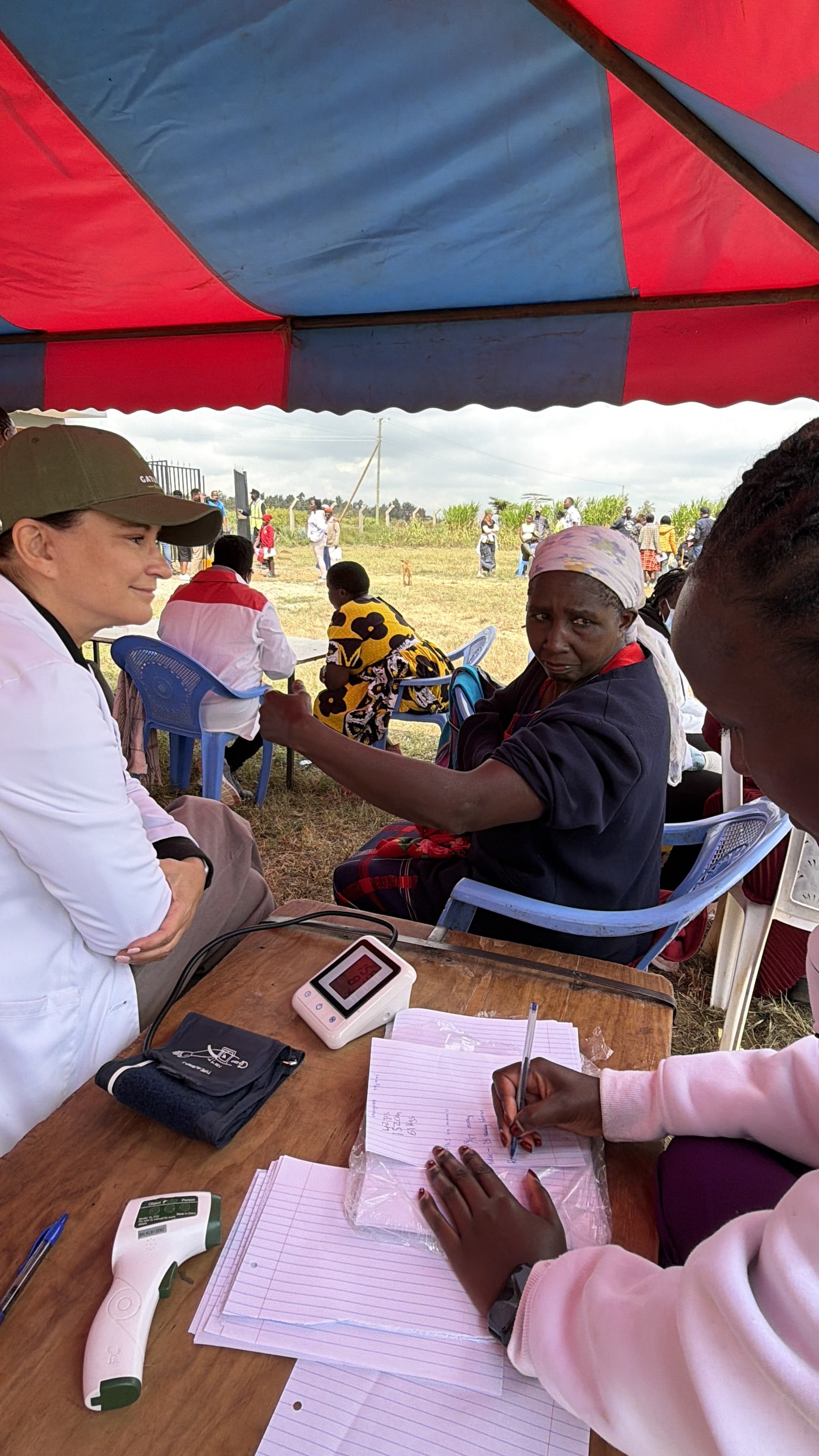
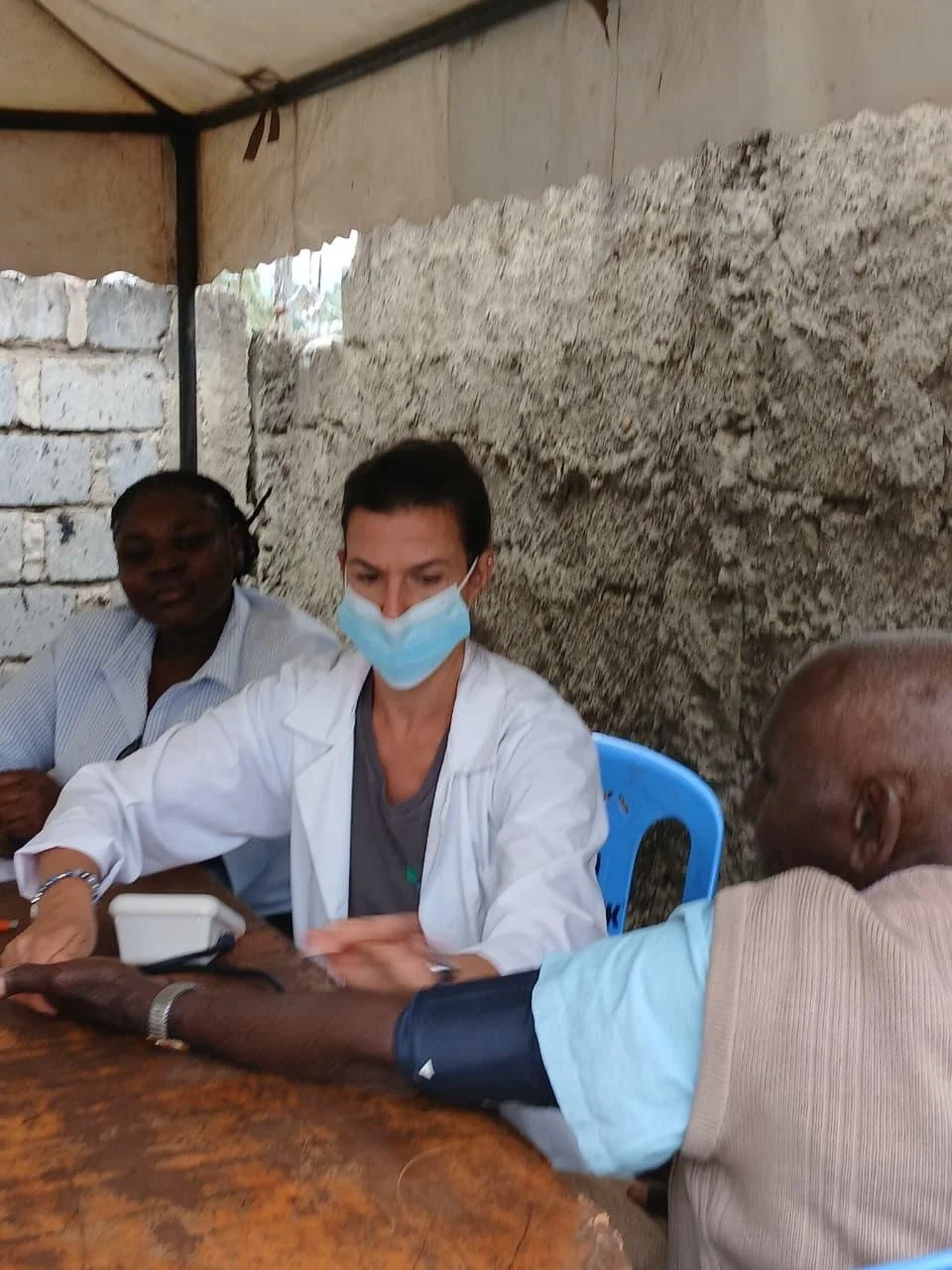
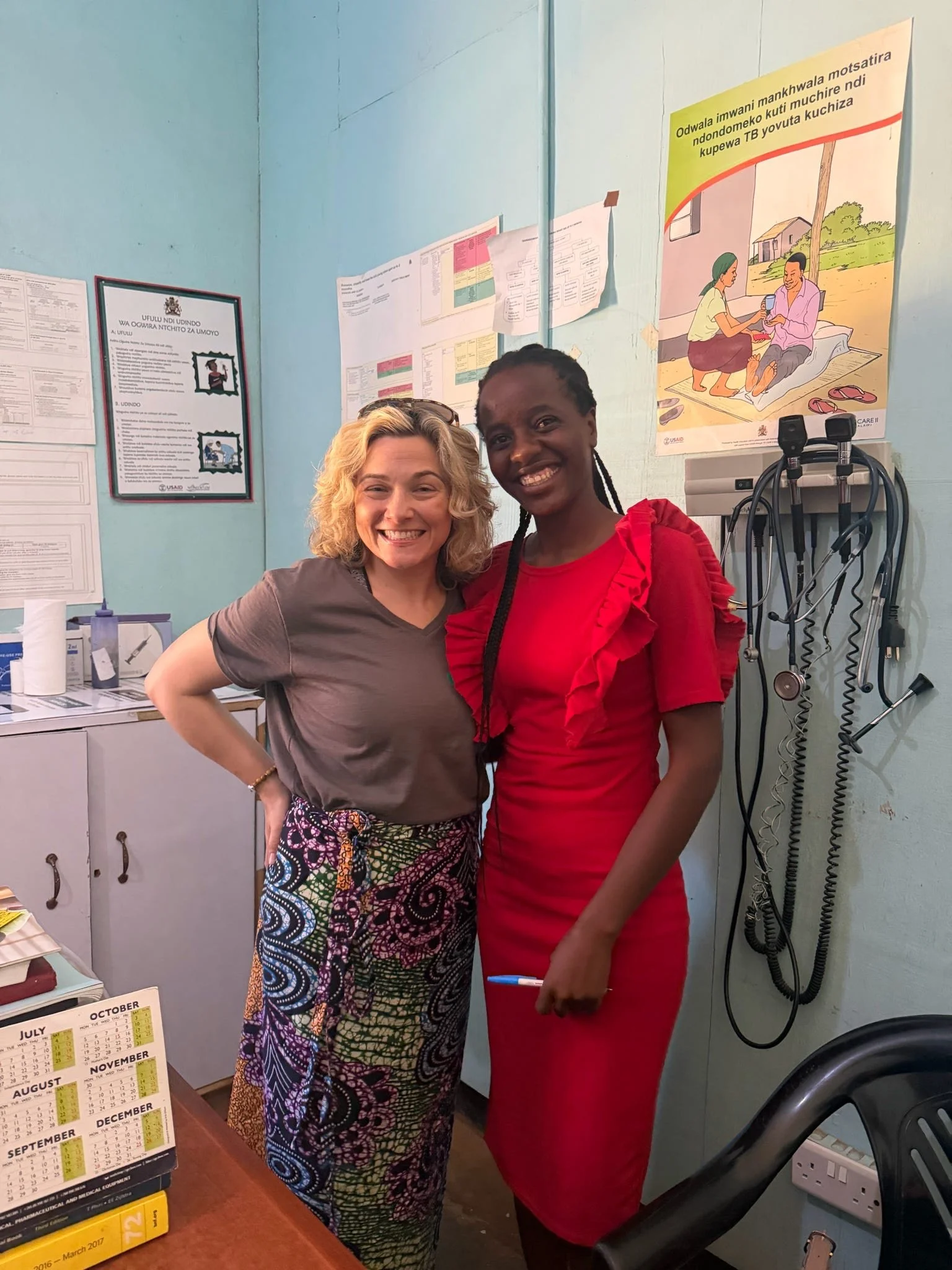
In June and July 2026, FMFM launched pilot medical camps in Ngong Hills and Gatune, Kenya. More than 500 people received services that included diabetes and blood pressure screenings, nutrition education, disease prevention resources, and training to help them manage their health.
The response showed a need for accessible diabetes services and helped inform our next step: building a continuous path from prevention and screening to treatment and follow-up. FMFM is working with trusted local leaders, healthcare providers, and community organizations so the program can strengthen care already available in each community.
Our approach brings together:
Early detection: Community-based diabetes and blood pressure screening
Practical education: Nutrition, prevention, and diabetes self-management guidance
Access to care: Connections to medications, monitoring supplies, and local healthcare providers
Ongoing support: Follow-up that helps people act on their results and manage their health over time
The outcome
The Kenya pilot camps reached more than 500 people. FMFM is now working to turn what we learned into a sustainable model that helps more people identify diabetes earlier, understand their results, and access the support they need after a screening.
Building on pilot work in Kenya and Malawi, we aim to expand through trusted partnerships in communities where FMFM already works, including Rwanda, Tanzania, Sierra Leone, and Liberia. As the initiative grows, we plan to measure outcomes and refine an approach that local partners can sustain and adapt.
What grant support will make possible
Grant support will help FMFM move beyond individual screening events and build a more complete pathway of care. Funding will support:
Expanded community-based diabetes screening and prevention programs
Diabetes and nutrition education
Improved access to essential medications and blood glucose monitoring supplies
Additional resources for local healthcare providers
Follow-up care and measurement to understand what is working and improve the model
“Screening gives someone information, but what happens next matters just as much. We want people to understand their results, have someone they trust to turn to, and get the support they need to care for their health over time”
Our partners
Local healthcare providers, community leaders, and organizations are central to this initiative. Their knowledge and relationships help make programs relevant to the people they serve and support care that continues after a medical camp ends.
Help build healthier futures
Where someone lives or what they earn should not determine whether they can learn about diabetes, get screened, or access care. If you’re interested in supporting this initiative through a grant or partnership, we’d welcome a conversation.

Koinadugu College: transforming a region through higher education
Feeding Mouths and Filling Minds is partnering with Project 1808 to bring the first higher education institute to the Koinadugu District of Sierra Leone - giving these young people the opportunity of a lifetime.
Status: Fundraising
Fundraising Goal: $85,000
Transforming a region through higher education
Feeding Mouths Filling Minds is contributing to bringing the first higher education institute to the Koinadugu District of Sierra Leone - giving these young people the opportunity of a lifetime.
Education provides the key to job security, community growth and individual wellness. However, options are limited for high-performing young people after high school in Kabala, Sierra Leone. The nearest university is hours away - making living at home while attending school impossible. Most families make less than $90/month, and college tuition costs run upwards of $500/semester. In order to pay for room, board and school fees, some young people turn to prostitution just to obtain an education. Others opt to take a low-skill job in Kabala instead of continuing their education.
Establishing the University of Koinadugu in one of the most isolated districts of Sierra Leone, will empower youth and improve community livelihood in the district and country.
Our role
Feeding Mouths, Filling Minds is helping to guide the strategic planning to be sure the project is secure and sustainable for the long term. This means assessing the land in-person with members of our team, carefully selecting trustworthy partners to oversee the development and providing funding.
Project funding covers the cost of:
Main Academic Building
This three-room building is where the majority of classes at Koinadugu College will occur. Construction for the main building began in January 2018.
Endowment Fund
In the spirit of sustainability, we have developed an endowment fund from the onset of creating the college. We have built the college because there are clear immediate needs, yet we are not only thinking about the here and now.
Feeding Mouths, Filling Minds is contributing the initial $10,000 for endowment. The broader Koinadugu College team is establishing the governing guidelines of the endowment and the Board team to make decisions about the underlying investments.
Partners


School Lunch in Liberia
Feeding Mouths, Filling Minds is helping Humanity Care Liberia who is leading this project on the ground locally. They have donated a plot of land in order to grow crops. Education and interaction with the children of the schools are also a focus of this project.
Gardens Combatting Hunger
STATUS: FUNDRAISING
2020 FUNDRAISING GOAL: $15,000
FMFM's team visited Liberia and met with our partners, Humanity Care Liberia, in January 2017 to learn about the challenges facing schoolchildren in the region. Together, we found that the schools in the region are unable to provide meals to the children during the school day - resulting in hungry children, truancy and shorter school days. Humanity Care Liberia is led by a local couple, with degrees in agriculture and experience working with local communities to teach them about sustainable agriculture. They oversee the development of our garden projects working directly with school leadership and ensure sustainability by educating caretakers, students and teachers about farming and crop-growing techniques.
our role
Feeding Mouths, Filling Minds is raising funds to expand our garden programs to even more schools. This includes covering the cost of getting the plot of land ready for farming, such as:
Fencing to keep the land secure from scavengers
Farming tools such as shovels, buckets, rakes, etc.
Seeds and cassava root yuccas for planting the crop
Farm upkeep and maintenance costs
Our team will continue to work with Humanity Care Liberia to assess the farming options, and will assure that the school children have a chance to learn about the growing process so that they not only benefit nutritionally, but learn something in the process.