
Hundreds of children. One woman’s vision. A farm to help fulfill it.
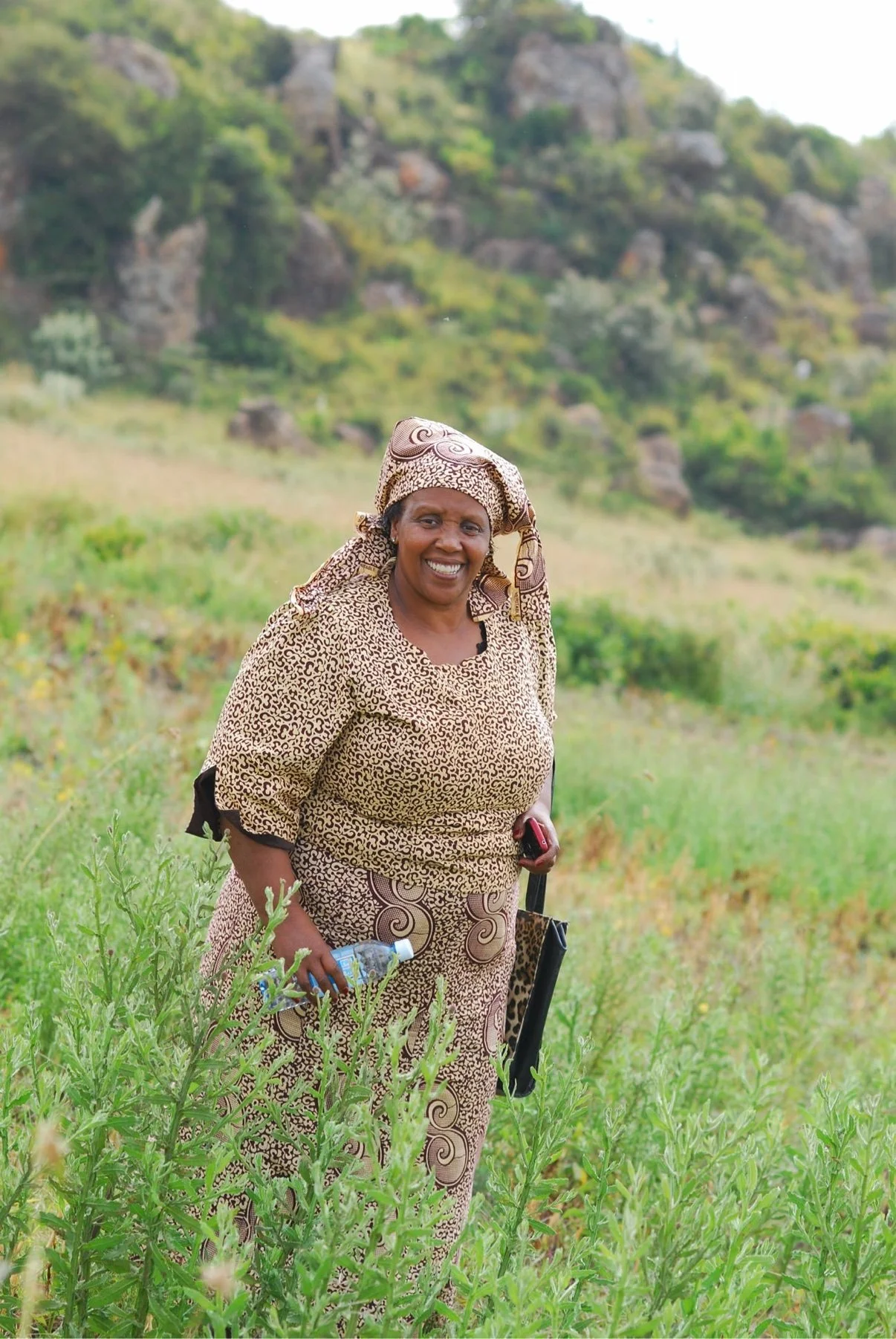
Mama Zipporah, at Gatune Farm in Kenya
Gatune Farm is helping build food security, meaningful work, and a more sustainable future for Huruma Children’s Home and school in Kenya.
Near Ngong, Kenya, Mama Zipporah and her team give orphaned and vulnerable children from just infancy through age 18 a home, an education, and people they can count on. Generous neighbors, sponsors, and donors help make that care possible.
Mama’s vision is for Huruma to become increasingly self-supporting. At Gatune, that vision is taking root through food production, farm sales, and the young adults who grew up at Huruma and now help steward its land.
Gatune is coming to life before our eyes. Community. Opportunity. Hope.
Want to get involved? Fill out the form below and we’ll set up time to get you up to speed and find out how you can help!
The Vision: From Depending on Donations to Building Self-Sufficiency
Gatune brings together food security, practical learning, meaningful work, and community development. Mama’s answer is Gatune Farm—land, water, crops, and livestock developed into a business with a mission:
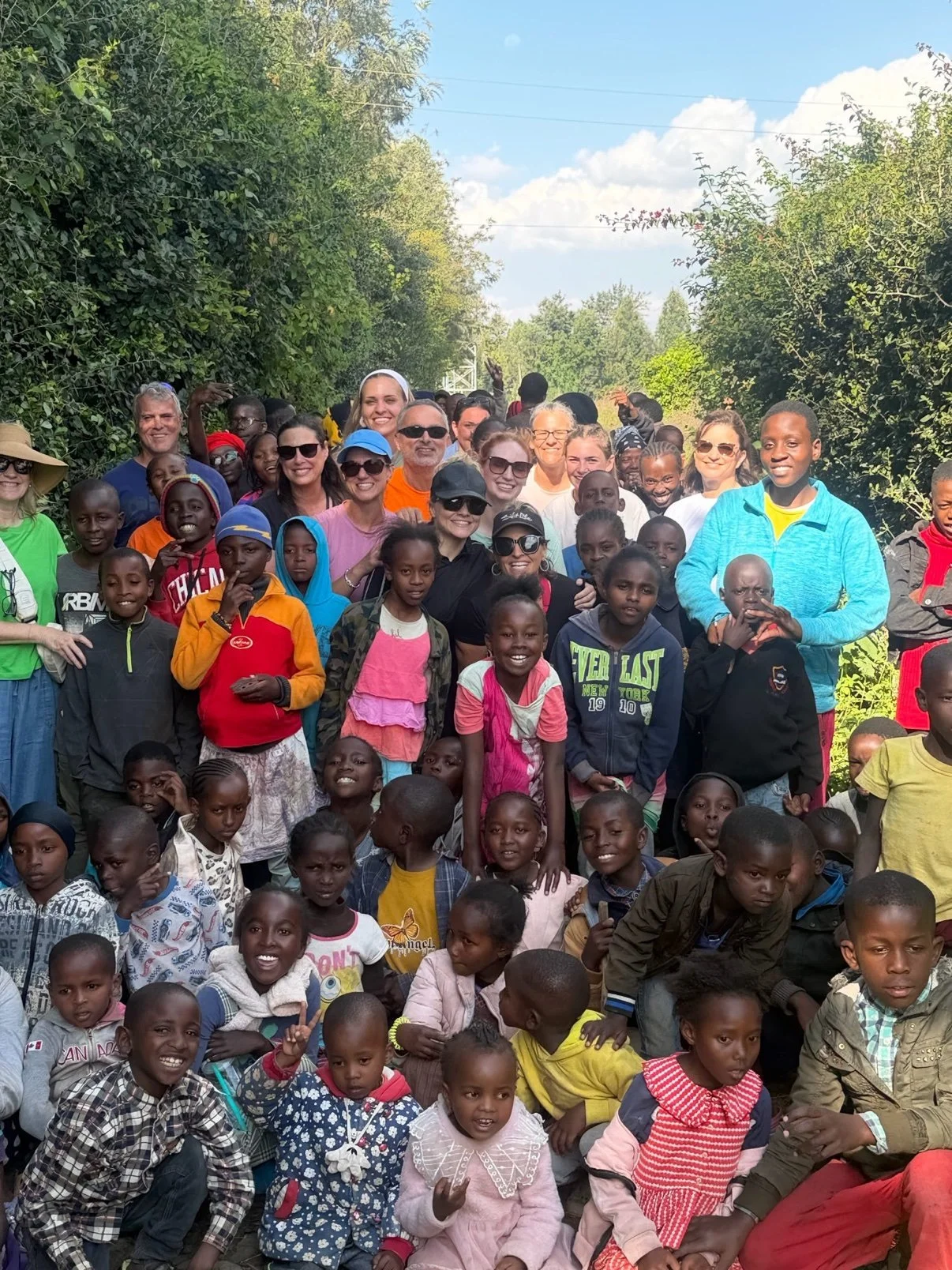
Nourish the children. Provide fresh vegetables, eggs, and a more varied diet with the protein and nutrients children need to grow, stay healthy, and learn.
Give them a future to grow into. Turning 18 shouldn’t mean facing the world alone. At Gatune, young adults who grew up at Huruma grow food for the children now sitting where they once sat. They’re helping sustain the home that raised them while gaining a place to live, skills, and an income to build a life of their own.
Help Huruma stand on its own. Growing food lowers what the home needs to buy. Profits from farm sales can help pay for meals, care, and schooling. Your gift helps build a business that can keep supporting children year after year—so Huruma can rely more on what it produces and earns, and less on the next donation.
It’s Already Happening
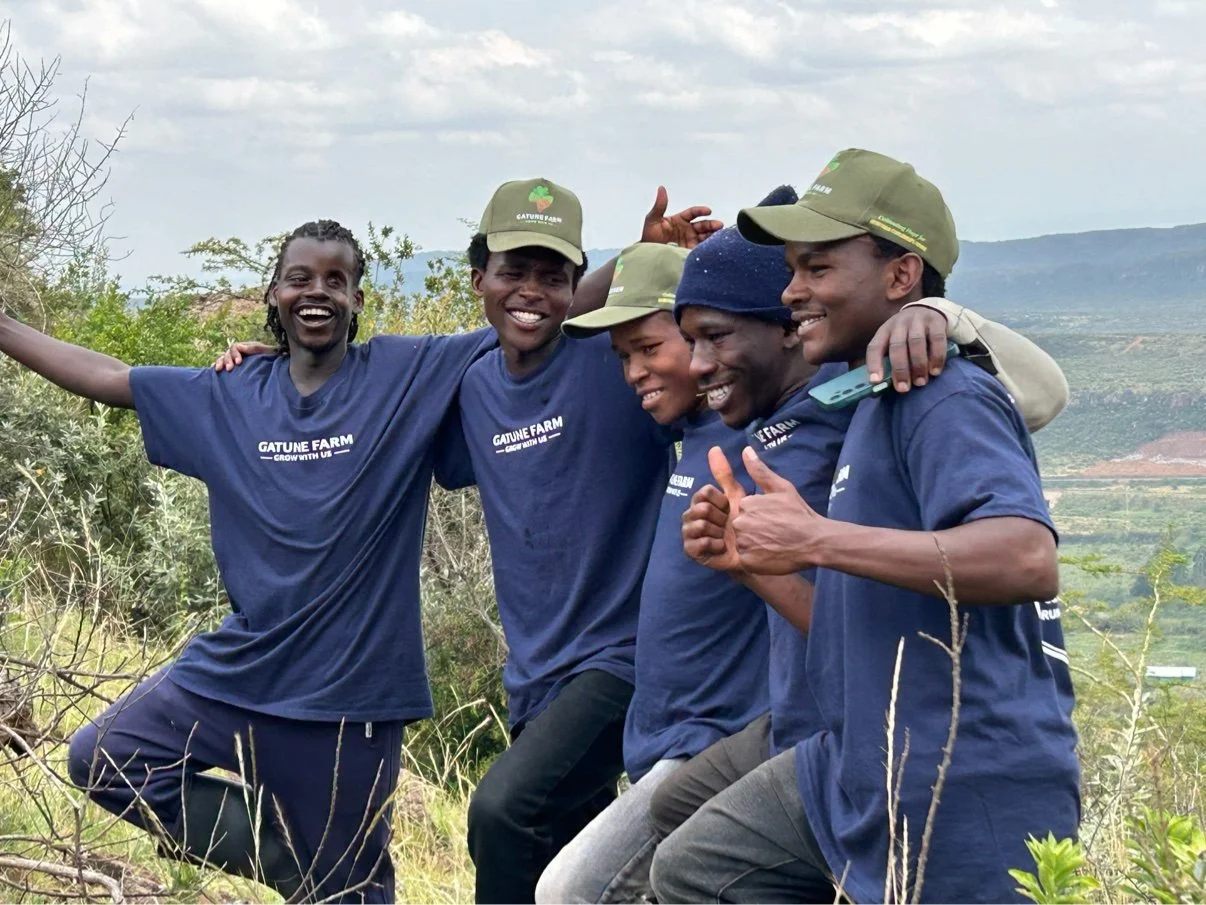
Led day-to-day by an exerpienced farm manager, John Munguti, former Huruma students now live and work at the farm - learning from John’s wealth of knowledge, experience and mentorship. Together, they are helping build the opportunity that can support the children coming after them. Here are just a few things in the works today:
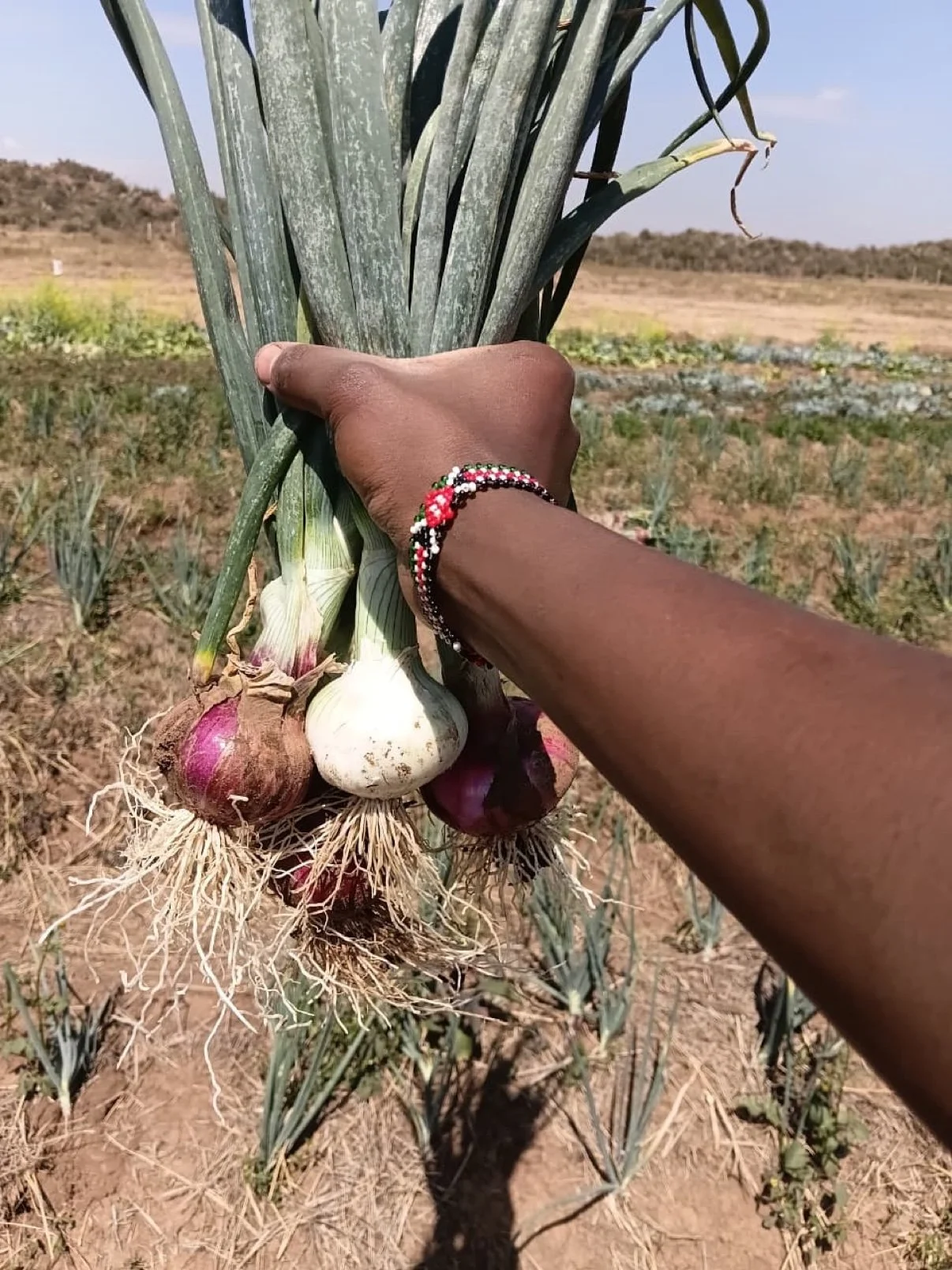
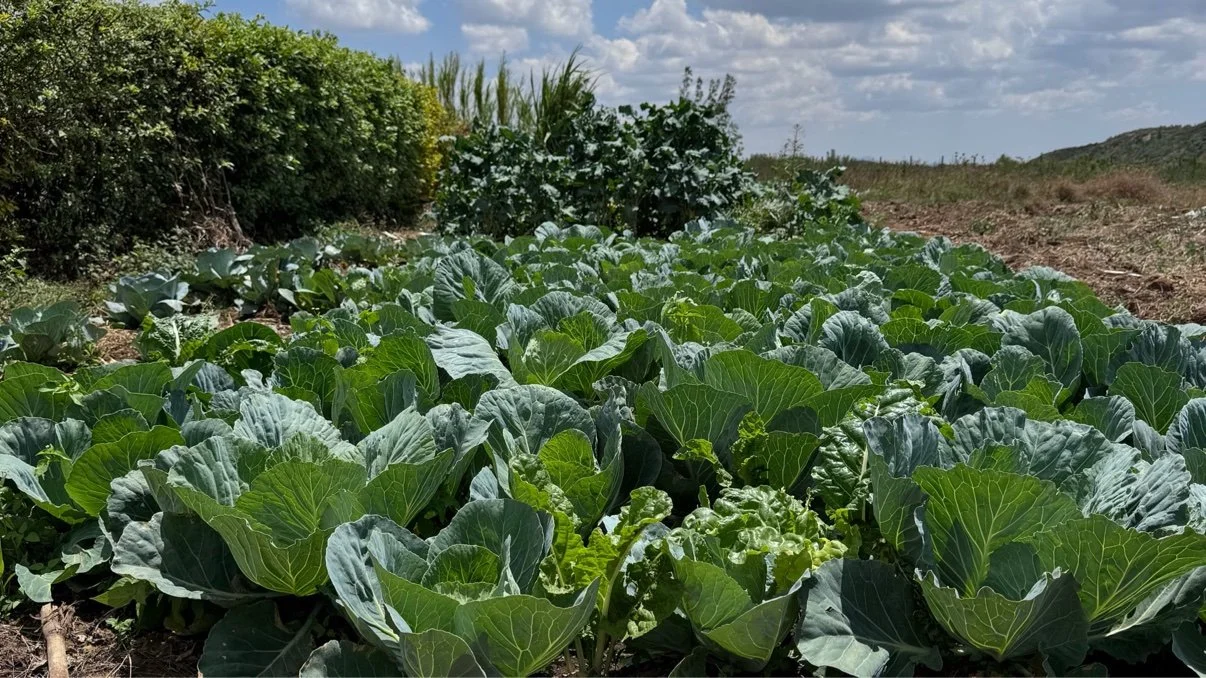
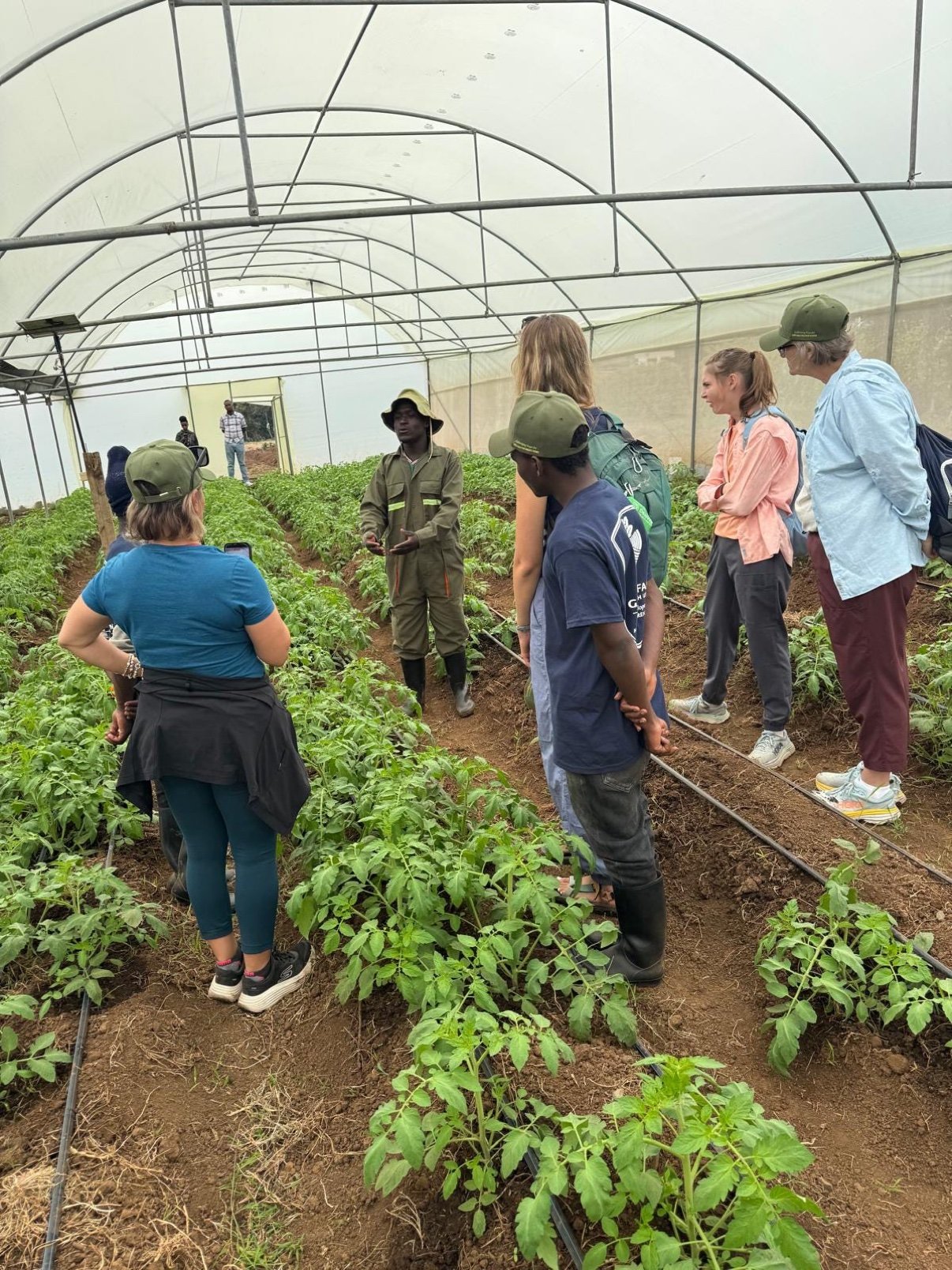
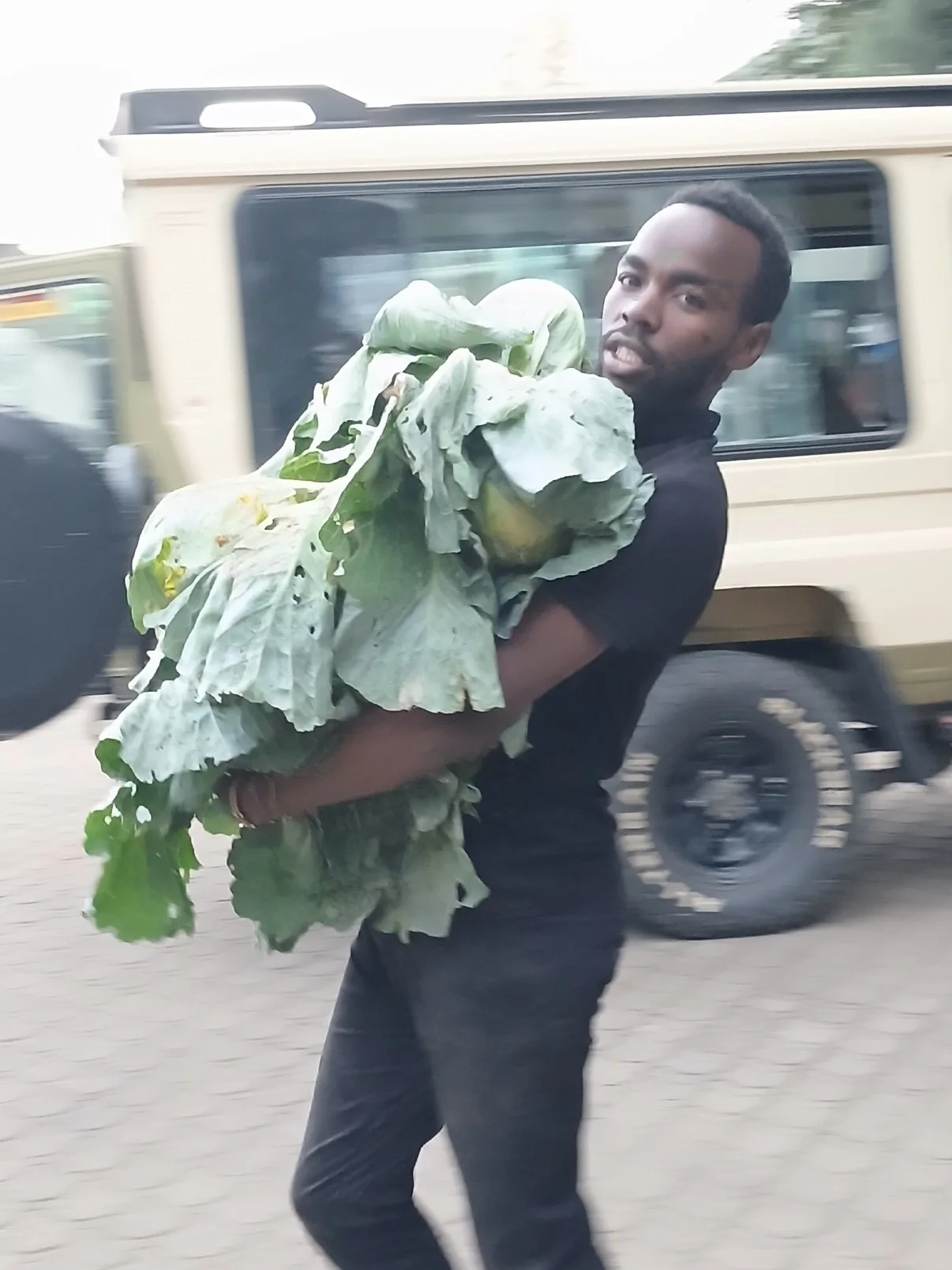
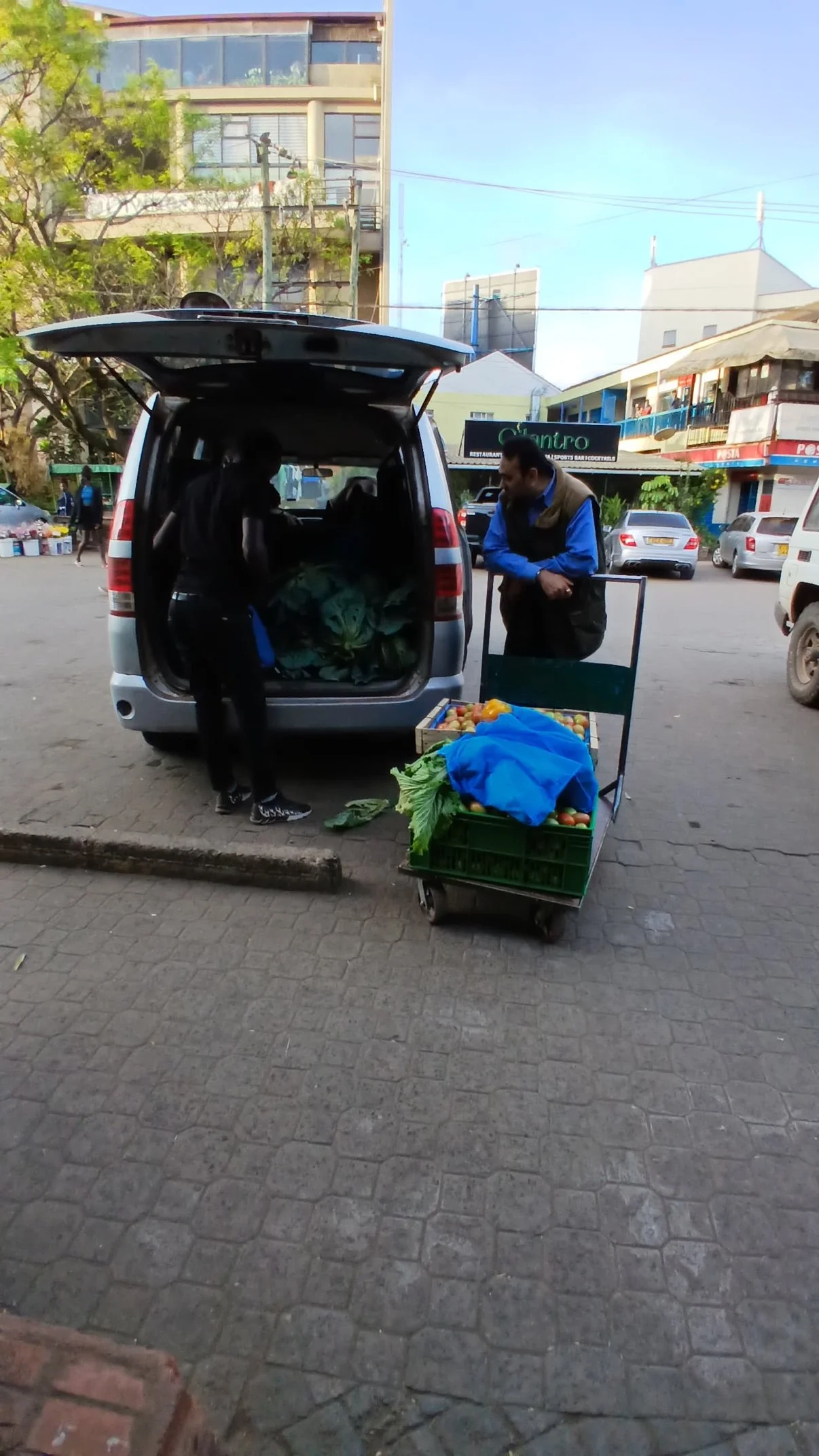
Growing food and finding customers. Gatune has brought five of its 15 acres into cultivation, supplying fresh vegetables grown on its land and in FMFM-funded greenhouses to Huruma and selling into a local market that’s already buying. Businesses including Hotel Rudi in Karen and Karen Provision Store have ordered its produce, and potential buyers have expressed interest in eggs and honey as the farm expands.
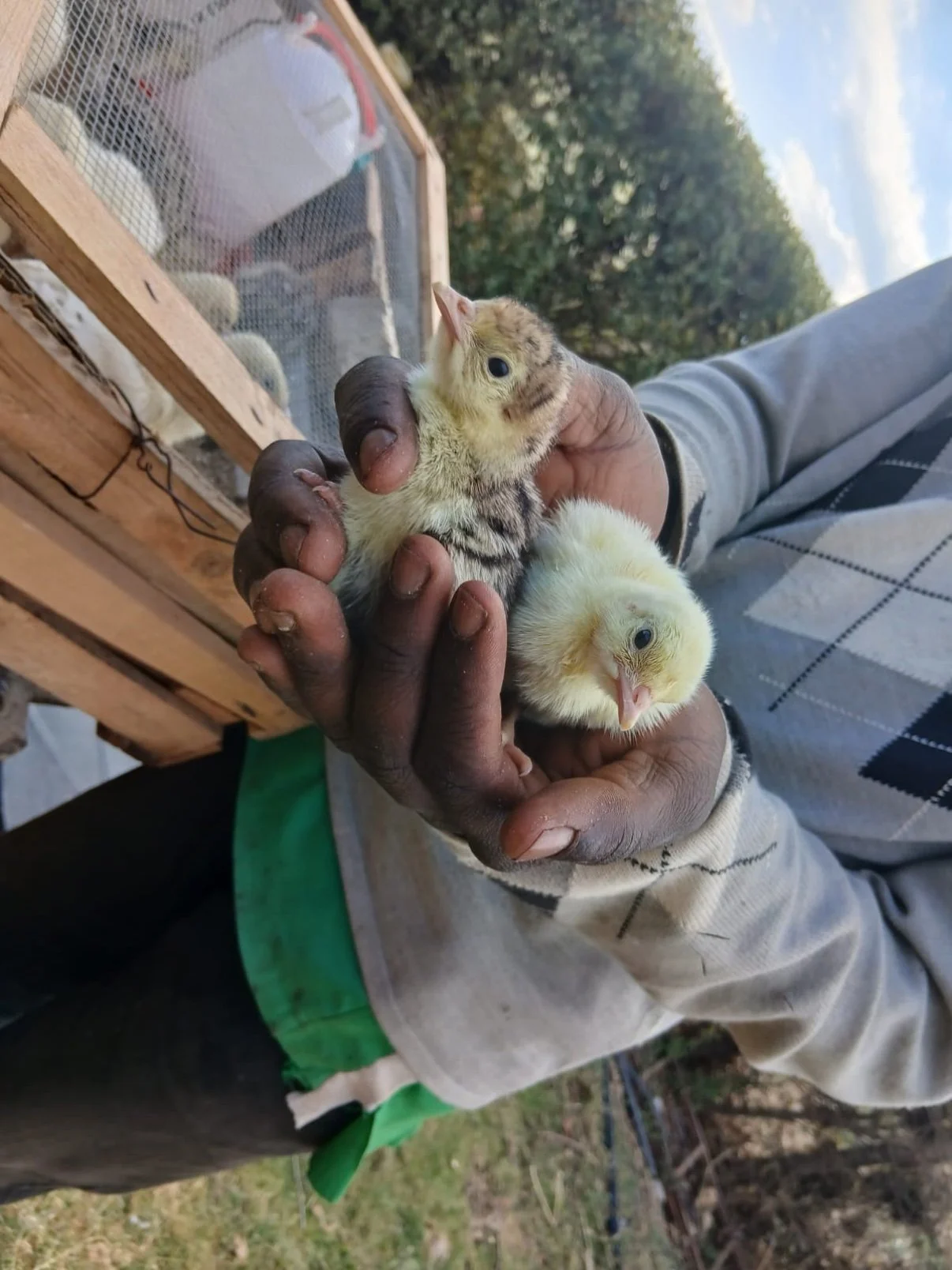
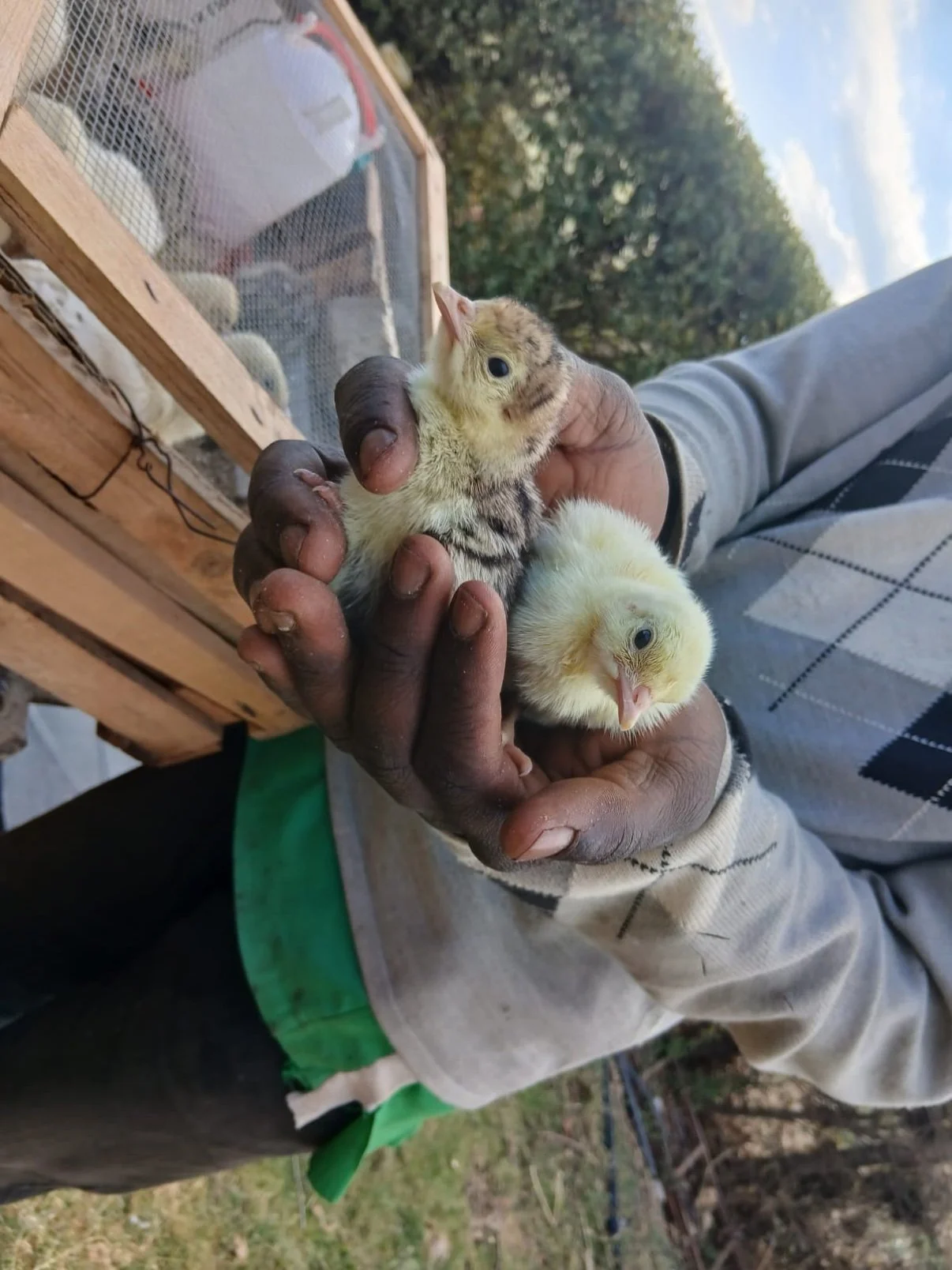
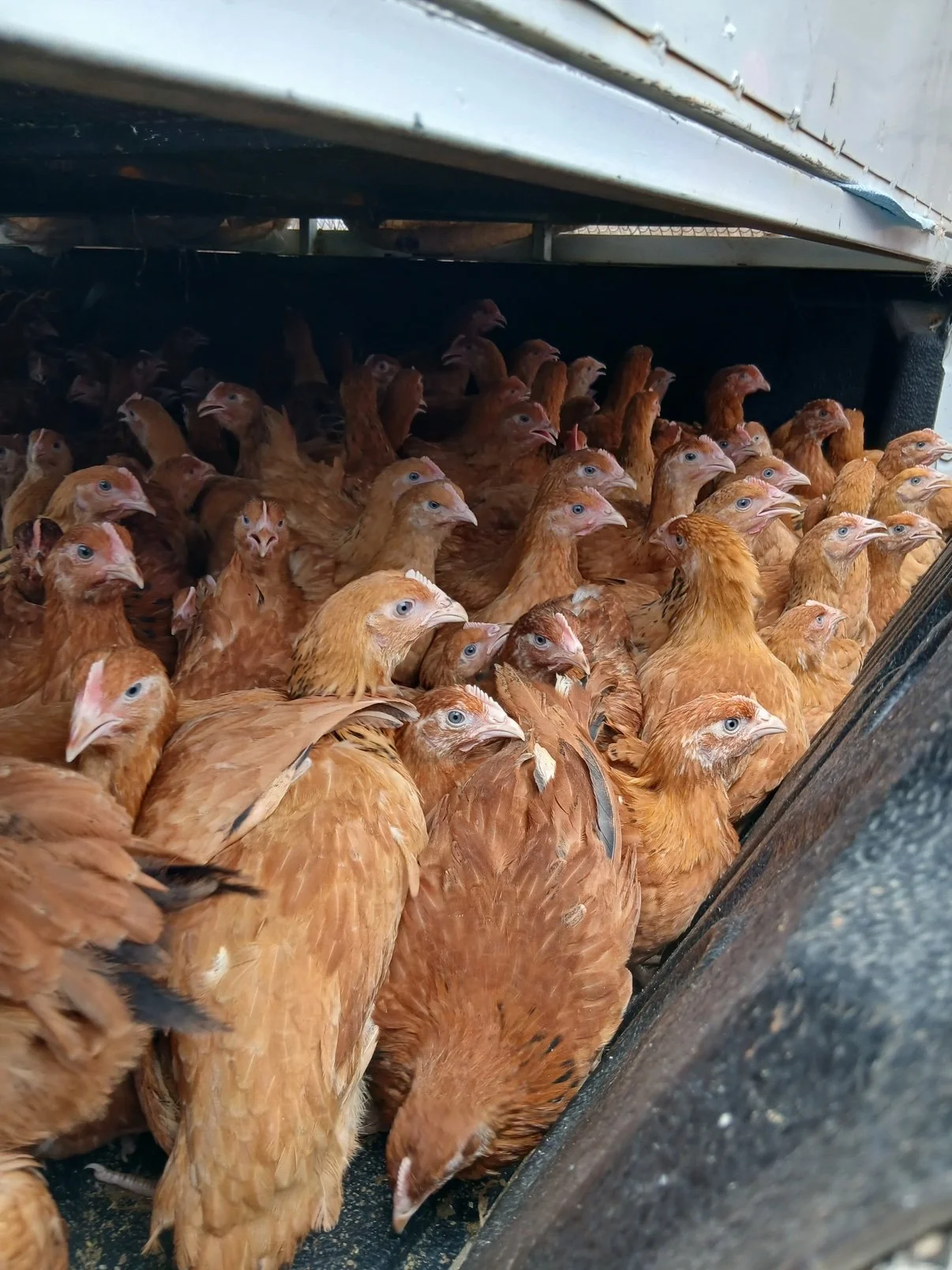
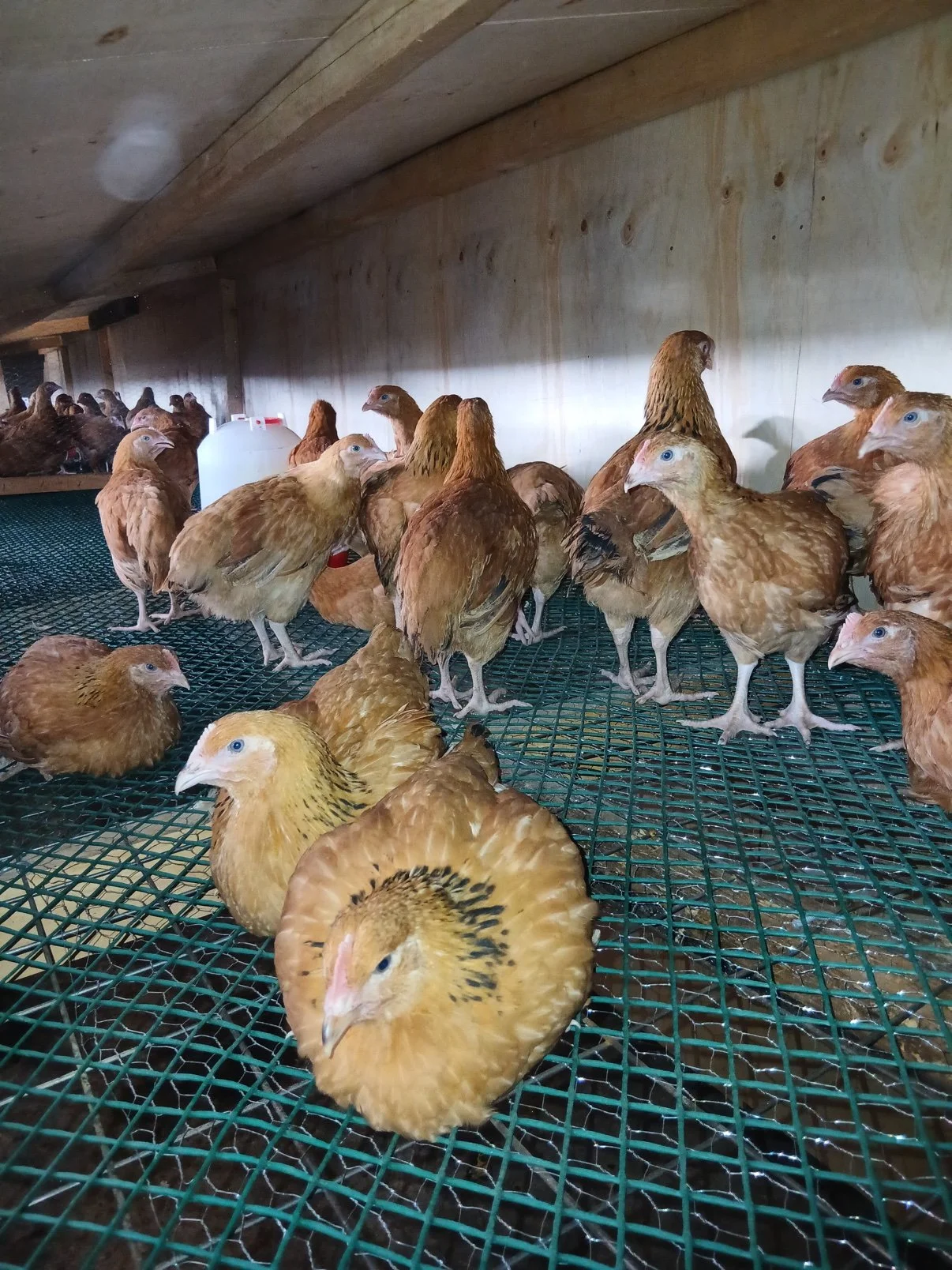
New chicks arrive at the farm as part of the Hurume-Gatune Poultry Pilot
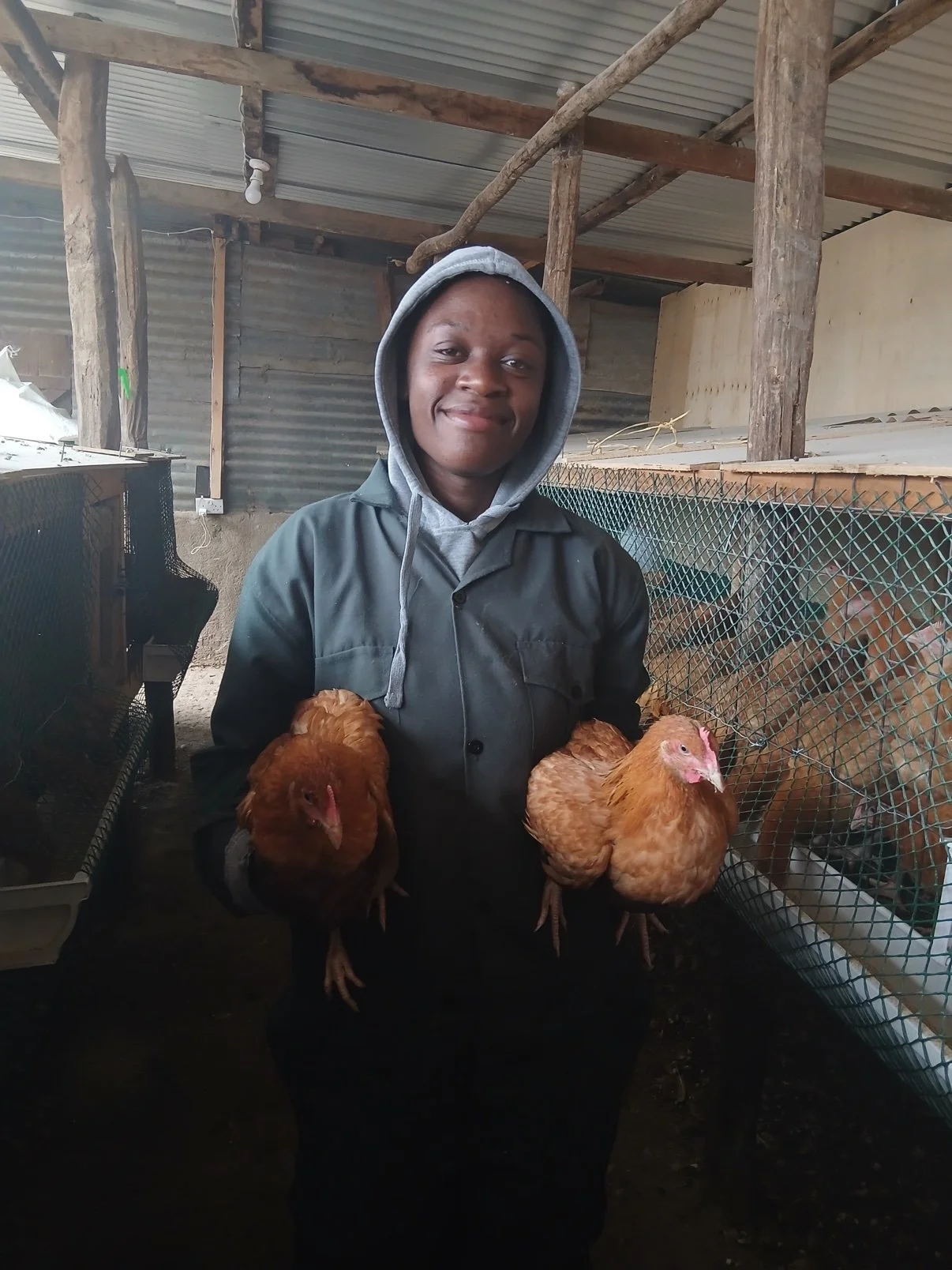
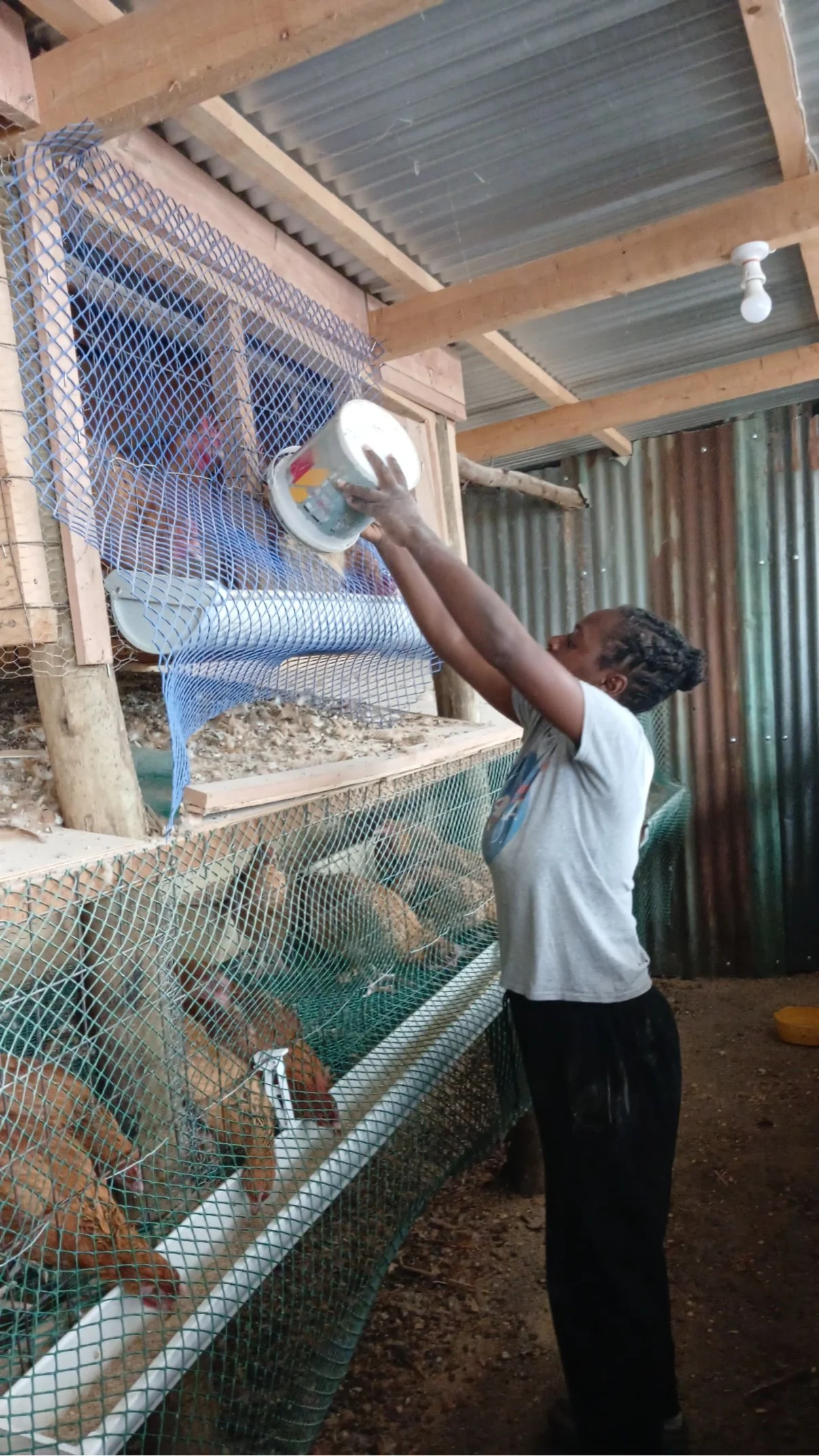
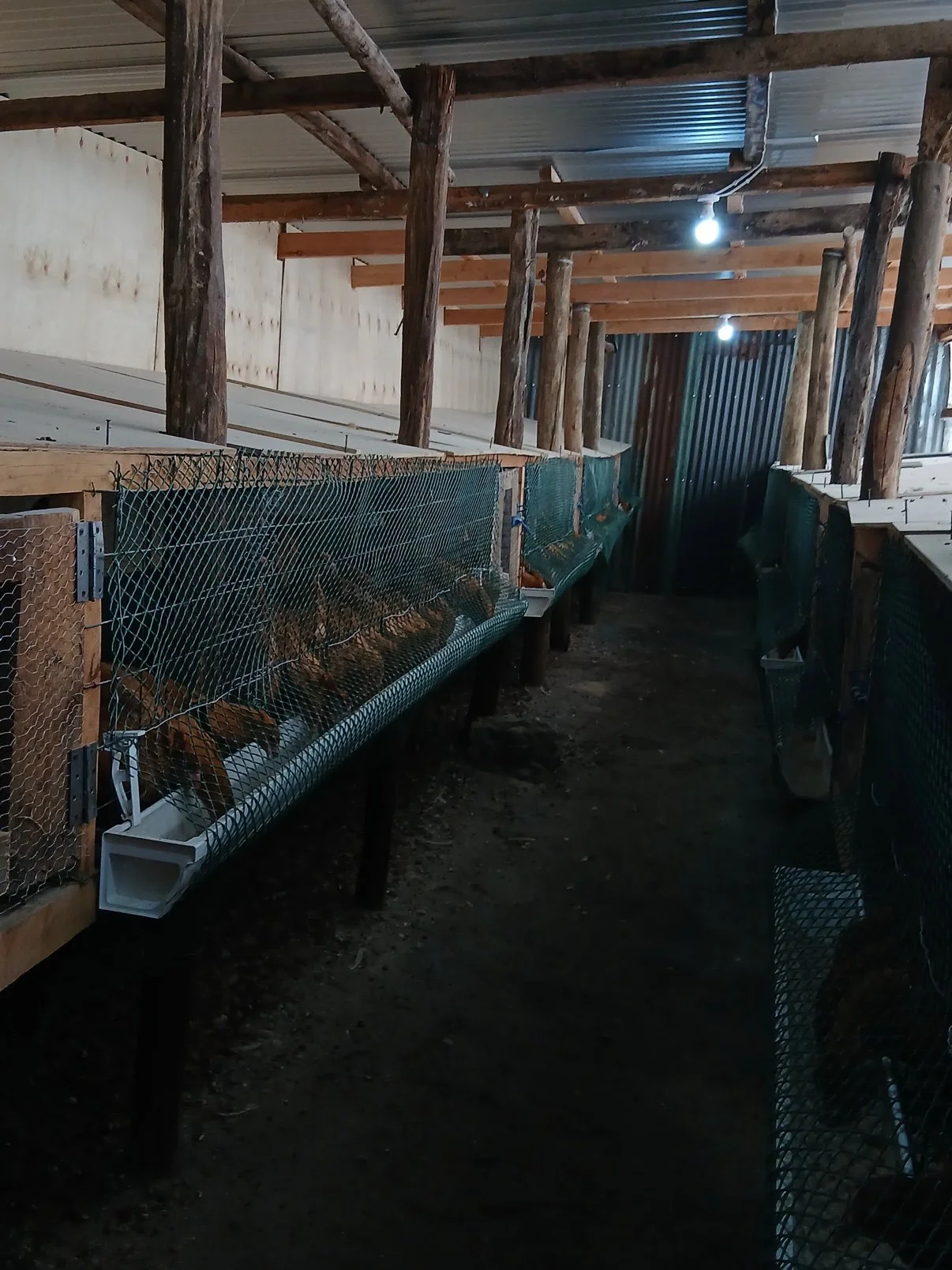
The Huruma-Gatune Poultry Pilot is underway. A smaller project at Huruma is testing the egg business before expansion at Gatune. The plan prioritizes eggs for children with particular nutritional needs and sells remaining production. Huruma currently relies largely on donated eggs, purchasing more when donations do not cover those needs.
The project began the summer of 2026, with a pilot flock of 200 birds, with the goal of providing fresh eggs for Huruma’s children and selling surplus locally to help cover costs. Huruma graduates will help care for the flock, track production, and gain practical experience in running a farm business. Lessons and successes from the pilot will guide a larger egg operation at Gatune—2,000 chickens—building an important protein source for the children and an essential source of ongoing income for the home.
Turning farm waste into healthier soil. The team makes its own compost using chicken manure and other organic materials. Properly composted, these materials return nutrients to the soil, support healthy crops, and help reduce spending on purchased fertilizer.
A foundation is in place. Earlier investments have brought water access, a farm pond, irrigation, and a greenhouse to Gatune. The next stage builds on that progress.
Raised at Huruma. Growing its future. Joseph grew up at Huruma. Today, he’s helping lead the poultry project, caring for a flock that will help feed children growing up in the home he knows so well. Alongside other Huruma graduates, he’s helping care for the next generation while building a future of his own.
Our Role
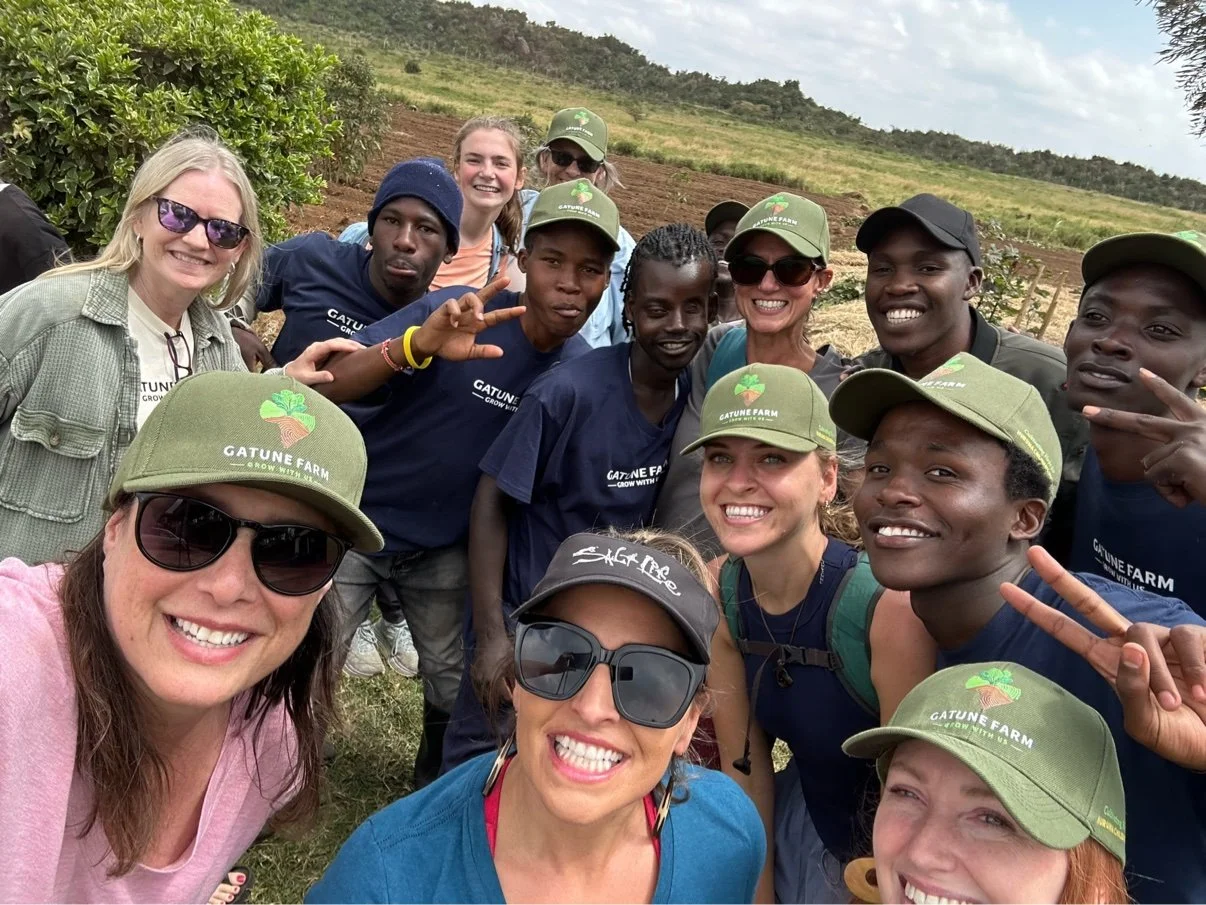
Feeding Mouths, Filling Minds has worked alongside Huruma since 2012, supporting its food and water priorities. Together with Huruma’s leadership and partners, we’re helping connect Gatune’s next stage with funding, equipment and expertise. The roadmap below follows a practical sequence: strengthen water, food production, and daily operations first, then expand as the farm’s capacity and results support it.
The Plan: Four Phases to Self-Sustaining
Mama's roadmap — built with Huruma's leadership and FMFM — sequences the build by one rule: fund what unlocks everything else first.
Phase 0 — The pilot. Currently underway.
200 birds, learning the egg business end to end before scaling it. Learn more.
Phase 1 — The foundation. Currently seekeing funding / partnership support: $135,098.
Water first — $29,176. Tanks, pumping, and irrigation. Water is the foundation for food production.
1,000 laying hens — $26,667. Eggs for the children, egg income for the farm, manure for the crops — a closed loop that turns one investment into three returns.
A farm vehicle — $25,098. Customers exist today; reliable delivery is what turns harvests into revenue.
Washing, drying & storage — $19,608. So a harvest becomes inventory, not waste.
Greenhouse & nursery — $10,078, plus safety & training $6,039, 200 fruit trees $5,490, compost & soil $4,706, and a working-capital reserve $7,843 to run it like the business it is.
Phase 2 — ~$24,471. More revenue lines: dairy, expanded honey production, cultivation equipment.
Phase 3 — ~$14,431. Resilience: solar power and production-scale tools, sized to proven demand.
Phase 4 — ~$73,725. The launch pad: a training and education hall, staff housing, and classroom technology — where the aging-out pathway becomes a formal agricultural training center, with accredited instruction and Huruma's own graduates among the teachers.
How Can You Help?
Fund a priority. Potential projects include water and irrigation ($29,200), the laying-hen package ($26,700), or dedicated farm transport ($25,100). These are included within Phase 1.
Contribute useful equipment. Help provide tools and materials that the local team can use and maintain.
Share your expertise. Agriculture, poultry, irrigation, food safety, and farm business knowledge can help the team build on its progress.
We’ll track results and food supplied to Huruma, farm sales and expenses, production results, and employment and learning opportunities—using those results to guide the next investment. Huruma’s team leads the work on the ground, with support from FMFM and Hope for Huruma.
Help Grow What Comes Next
The people, land, and vision are already here. Your partnership can help turn that foundation into more nutritious meals, dependable farm income, and opportunities for young people preparing for life beyond Huruma.
Start with a conversation. Meet the team, explore the priorities, and find your part in Gatune’s future.
Follow the Farm
The Gatune team posts progress as it happens — harvests, hatch days, deliveries. Package sponsors receive build updates on the piece they funded.
Follow @GatuneFarm on Instagram.