
Nourishing Potential: How School Meals Strengthen Learning and Community

Across the rural schools FMFM partners with, one consistent factor is making a difference: the presence of a school meal.
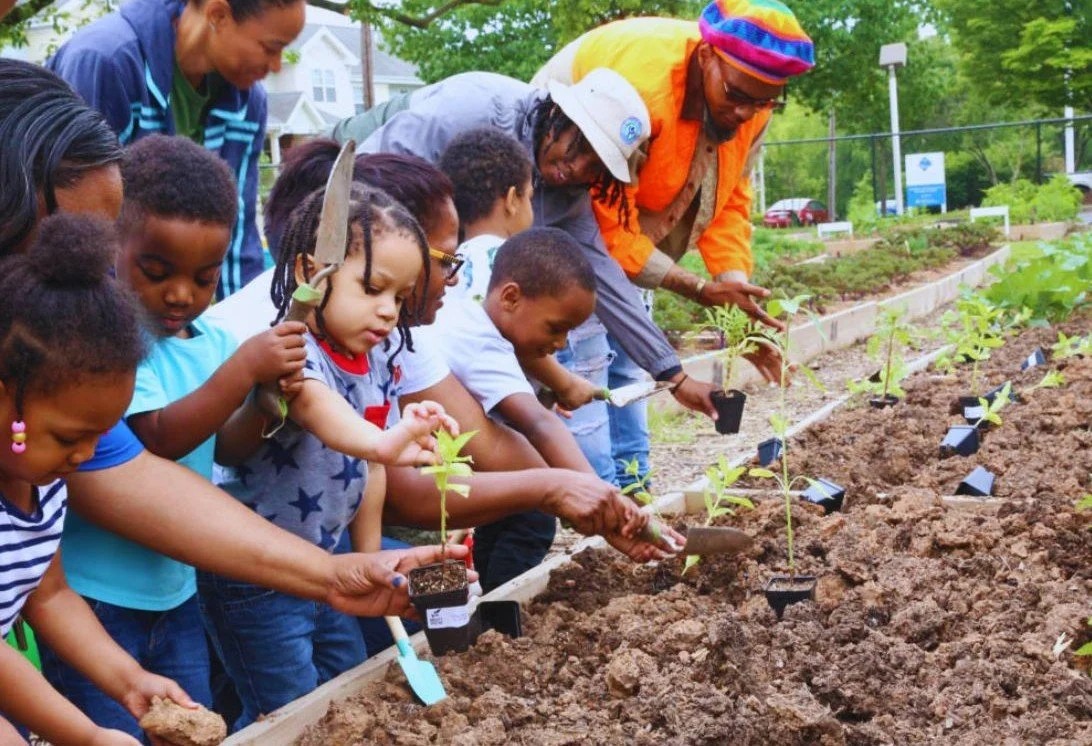
Access to a dependable, nutritious meal during the school day helps students stay engaged in class, improve concentration, and build connection.
When our team visited six rural schools in Rwanda, we found that five offered no fruits or vegetables in their snacks
This wasn’t due to drought or poor soil, but rather the rising cost of food. In schools without any meal program, several teachers shared that lunchtime was difficult. Some students would leave and would not return. Yet, local solutions are emerging. At one school, families and staff collaborated to start a small garden. It became more than a food source. It became a shared project, an agricultural learning space, and even a small source of income for caregivers. Students began learning about farming practices, food systems, and nutritional sustainability. These are lessons they can carry into their futures.
